Delhi
08048034081
+919818331692

Services

Space Maintainers for children

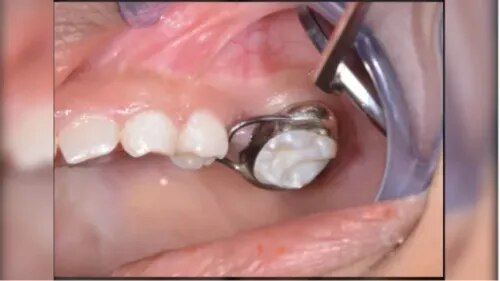
Space maintainers in pediatric dentistry are appliances used to preserve arch space after the premature loss of primary teeth so that permanent teeth can erupt into proper position and function.​ Definition and purpose A space maintainer is a fixed or removable appliance designed to keep the space created by early loss or extraction of a primary tooth until its permanent successor erupts.​ Its main goals are to prevent loss of arch length, avoid drifting and tipping of adjacent teeth, and reduce the risk of future malocclusion and need for complex orthodontic treatment.​ Indications and contraindications Space maintainers are indicated after premature loss of primary molars when there is a risk of mesial drift of posterior teeth or collapse of the dental arch, especially during the mixed dentition period.​ They are generally contraindicated when the permanent successor is close to eruption, in patients with poor oral hygiene or high caries risk, in presence of advanced crowding where space closure is desirable, or when there is poor cooperation with appliance use and follow‑up.​ Types of space maintainers Space maintainers can be classified as fixed or removable, and as unilateral or bilateral.​ Common fixed unilateral designs include band and loop, crown and loop, direct‑bonded and fiber‑reinforced composite maintainers, and distal shoe appliances; bilateral fixed appliances include lingual arch, Nance appliance, and transpalatal arch.​ Removable maintainers are usually acrylic plates (e.g., Hawley‑type partial dentures) that may incorporate artificial teeth, but they require more patient cooperation and are more prone to loss or breakage.​ Advantages and disadvantages Fixed space maintainers are generally preferred because they are more durable, less dependent on patient compliance, and show higher survival and effectiveness in preserving arch length.​ However, they can complicate plaque control, may decement or break, and require periodic recall visits for monitoring, adjustment, and professional cleaning.​ Removable appliances are easier to clean around and can replace missing teeth esthetically, but they depend heavily on the child’s cooperation and are more likely to be lost or not worn as prescribed.​ Clinical considerations and effectiveness Proper case selection requires assessment of dental age, time since tooth loss, eruption status of the successor, amount of space loss already present, and overall arch length–tooth size relationship.​ Evidence shows that space maintainers are effective in preventing space loss, maintaining arch integrity, and supporting normal eruption, but success depends on appropriate appliance design, good oral hygiene, and regular follow‑up to manage complications such as caries, soft‑tissue irritation, or appliance failure.

Caries in milk teeth

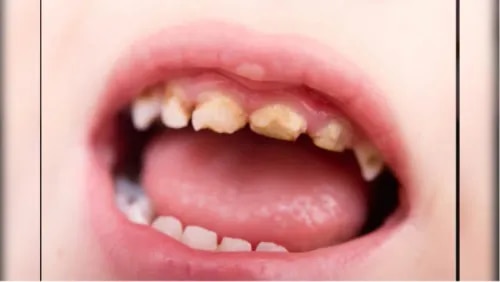
Caries, or tooth decay, in milk teeth (primary teeth) occurs when bacteria in a child's mouth feed on sugars from milk, juice, or foods, producing acids that erode enamel and form cavities, often starting as white chalky lines near the gums.​ Causes Sugary liquids like milk left in the mouth, especially during prolonged bottle-feeding or bedtime feeds, combine with bacteria to create acid that weakens teeth. Poor oral hygiene, frequent sugary snacks, and low saliva flow during sleep accelerate plaque buildup and decay.​ Symptoms and Risks Early signs include opaque white spots on upper front teeth, progressing to pain, sensitivity, swelling, and abscesses if untreated. Untreated caries can infect gums, damage developing permanent teeth, cause misalignment, and lead to early tooth loss or nutritional issues.​ Prevention Brush twice daily with fluoride toothpaste, limit sugary foods/drinks, avoid bedtime bottles, and schedule dental check-ups from the first tooth. Wipe gums after feeds and transition to cups by age one to reduce milk pooling. Treatment Early-stage decay Fluoride varnish: Applied by a dental professional to strengthen enamel and reverse early decay. Silver Diamine Fluoride (SDF): A liquid applied to stop decay from progressing, though it can turn the affected area black. Preventative measures: A dentist may recommend dietary changes and improved oral hygiene practices in addition to other treatments. Advanced decay Fillings: For early cavities, the dentist removes the decay and fills the tooth with a restorative material to protect it. Crowns: Used for larger cavities that have damaged the tooth significantly. A stainless steel crown is often used for baby teeth to provide a durable, long-lasting restoration. Pulp treatment: This may be necessary if the decay has reached the tooth's pulp. Extraction: In severe cases of infection or extensive decay, the tooth may need to be removed. Important considerations See a dentist early: It's recommended to take your child to the dentist by their first birthday or after their first tooth erupts for regular checkups. Consult a professional: Avoid trying home remedies for decay, as they can be harmful. Sedation: For some children, sedation may be necessary for invasive treatments due to their age.

Pit and Fissure Sealants

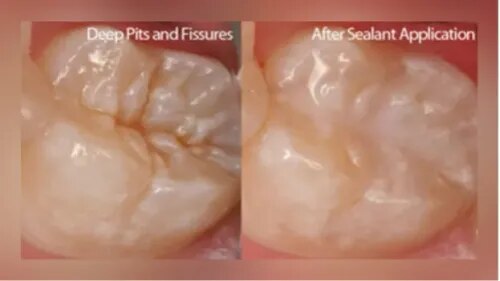
Pit and fissure sealants are thin, protective coatings applied to the grooves of back teeth to prevent dental caries, especially in children and adolescents.​ What they are and why used Pit and fissure sealants are flowable materials placed mainly on the occlusal surfaces of premolars and molars to block food and bacteria from collecting in deep pits and grooves. These areas are more prone to decay than smooth surfaces because they are harder to clean and receive less protection from fluoride.​ Types of sealant materials The two main categories are resin‑based sealants and glass ionomer sealants. Resin‑based sealants are usually preferred for their better retention, while glass ionomer sealants are useful when moisture control is difficult and provide fluoride release over time.​ Indications and effectiveness Sealants are recommended for newly erupted permanent molars and premolars with deep or stained fissures, especially in patients at moderate or high caries risk and without obvious cavitated lesions. When properly placed and maintained, sealants significantly reduce occlusal caries, with long‑term studies showing high success rates where retention is maintained.​ Basic application steps Typical clinical steps include cleaning the tooth, isolating it from saliva, etching the enamel (commonly with 37% phosphoric acid), rinsing and drying, applying the sealant to all susceptible pits and fissures, then light‑curing and checking occlusion. Adequate isolation and avoiding salivary contamination are critical because moisture greatly reduces retention of traditional hydrophobic resin sealants.​ Newer developments Newer moisture‑tolerant (hydrophilic) resin sealants have been developed to improve performance when perfect dryness is hard to achieve, such as in erupting molars. These materials aim to combine good retention with easier clinical handling and, in some products, bioactive or fluoride‑releasing properties.

Flap Surgery

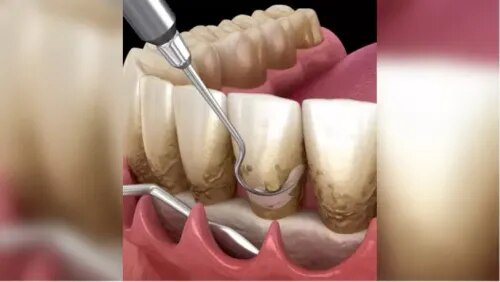
Flap surgery is a periodontal surgical procedure done to treat gum disease by accessing and cleaning deep periodontal pockets that cannot be reached with non-surgical treatments like scaling and root planing. ✔ Why Flap Surgery Is Done Deep periodontal pockets Persistent inflammation Bone defects caused by periodontitis To remove calculus/tartar below the gumline To reshape gums and underlying bone ✔ How the Procedure Is Done (Step-by-step) Local anesthesia is administered. Incisions are made around the affected teeth. Gum flap is gently lifted (reflected) to expose the tooth roots and bone. Thorough cleaning: removal of plaque, tartar, infected tissue. Bone shaping/contouring (if required). Flap repositioning and suturing back into place. A periodontal dressing may be placed. ✔ Healing After Flap Surgery Mild swelling or discomfort for 1–3 days Sutures removed after 7–10 days Most healing completes in 2–3 weeks Strict oral hygiene is important Chlorhexidine mouthwash may be prescribed ✔ Benefits Reduces periodontal pockets Eliminates infection Helps regenerate healthier gums Improves long-term tooth stability Types of Flap Surgery Modified Widman Flap – conservative, for deep cleaning Open Flap Debridement – for severe periodontal pockets Apically Repositioned Flap – used to reduce pocket depth Regenerative flap surgery – with bone grafts / membranes What Are The Goals Of Flap Surgery? Eliminate or reduce the pocket itself. Regeneration of bone tissue which may have been lost to the disease. A variety of techniques may be used to accomplish this, including regenerative methods using bone grafting, PRF, and GTR( barrier membrane). (Click to learn more) These approaches help restore the gums to their normal form and function, and promote health and secure anchoring of teeth What To Expect After Surgery? Typically it takes only a few days to recover from a flap procedure. Make sure you follow the home care instructions that your periodontist gives you. If you have questions about your instructions, call us the Periodontist will assist you. The following are general suggestions to help speed recovery: Take painkillers as prescribed. After 24 hours, you can rinse your mouth gently with warm salt water several times a day to reduce swelling and relieve pain. Change gauze pads before they become soaked with blood. Relax after surgery. Strenuous physical activity may increase bleeding. Eat soft foods. Gradually add solid foods to your diet as the area heals. Continue to carefully brush your teeth and tongue. Apply an ice or cold pack to the outside of your mouth to help relieve pain and swelling. Do not use sucking motions, such as when using a straw to drink. Do not smoke. Do not brush or floss in the graft site for ten days after surgery. You may begin gentle brushing with a soft toothbrush for another two to four days and finally return to normal brushing.

Cast Partial Dentures (RPD)

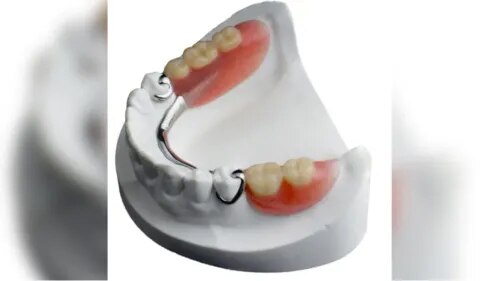
A cast partial denture is a removable plate or frame that supports one or more artificial teeth and is used to fill in the gaps left by missing teeth in the mouth. It is made of a cast metal framework with artificial teeth made of acrylic resin attached to it. These dentures are mainly used when the remaining teeth are intact. They provide benefits for performance, appearance, and oral health. Cast partial dentures restore correct chewing and speaking while preventing neighbouring teeth from slipping by supporting and stabilizing remaining teeth. They provide a stable and pleasant fit customized to each patient's oral structure and serve as an alternative for fixed bridges or dental implants. Patients with partial tooth loss can improve their general dental health and self-confidence with cast partial dentures, which are affordable and dependable. Why are Cast Partial Dentures recommended? Cast Partial Dentures are recommended when the patient has lost some natural teeth while the remaining teeth are healthy and in good condition. They are suitable for cases when one or more adjacent teeth are missing due to decay, trauma etc. They can fill in the spaces and restore normal occlusion by spreading across the areas that are missing teeth. These dentures are good at uniformly dispersing the biting force across the remaining teeth; hence they are used for posterior regions. It prevents excessive pressure on individual teeth. Patients with health issues, dental conditions or insufficient bone support who are not suitable candidates for implants or fixed dentures can go for cast partial dentures. These dentures are viable for patients with financial constraints as cast partial dentures provide good functionality and aesthetics. Patients' dental health, aesthetic concerns, financial situation, and desired treatment objectives are some of the important factors in determining whether cast partial denture is the best option. A thorough and proper examination by a dentist is mandatory before opting for any dental treatment. Reasons for recommending Cast Partial Dentures: 1. Partial tooth loss in patients Spaces or gaps between teeth due to tooth loss Multiple adjacent missing teeth Posterior region tooth loss 2. Natural teeth are present in healthy condition. Healthy teeth present to support the partial denture framework Remaining teeth able to provide support and stability to the denture 3. Alternative treatment solution Candidates not suitable for dental implants or fixed bridges Financial constraints, medical conditions, inadequate bone support 4. Need to restore function and esthetics Restores chewing and speaking abilities Improves occlusion and bite alignment 5. Stability and support requirements Even distribution of bite forces without pressure on one tooth. Can anchor on remaining teeth for the partial denture. ✨ Advantages Very strong and durable compared to acrylic partial dentures Thin and comfortable due to metal framework Precise fit ensures better retention and stability Less coverage of soft tissues → better oral hygiene Forces are shared with teeth through rests → physiologically acceptable

Crown and Bridge

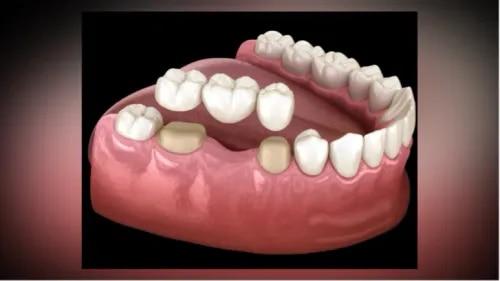
What Are Crowns and Bridges? Dental Crown A crown (also called a “cap”) is a custom-made covering that fits over a damaged or weakened tooth. Purpose: strengthen a tooth, restore its shape/size, protect it after procedures (like root canal), or improve appearance. Materials: can be made from different materials — porcelain, ceramic, metal alloys (like gold), and combinations (e.g., porcelain-fused-to-metal). Procedure: Tooth is prepared (reshaped), an impression is taken, a temporary crown is placed, and then the permanent crown is cemented. Dental Bridge A bridge is used to replace one or more missing teeth. Structure: It typically has abutment teeth (natural teeth on either side of the gap) that are capped with crowns, and a pontic (the false tooth) in between. Types: There are different kinds of bridges: Traditional bridges (crowns on both sides) Cantilever bridges (supported only from one side) Maryland (resin-bonded) bridges (winged design, less invasive) Implant-supported bridges (anchored on dental implants) Materials: Similar to crowns — porcelain, porcelain-fused-to-metal, or metal. Procedure: Teeth adjacent to the gap are prepared, impressions are taken, a temporary bridge may be placed, and later the final bridge is cemented. Why Use Crowns and Bridges? Restoration: To restore broken, cracked, or decayed teeth that can’t be fixed by regular fillings. Missing Teeth: Bridges fill in the gaps where teeth are missing, preventing neighbouring teeth from shifting. After Root Canal: Crowns protect teeth that have had root canal treatment. Aesthetics: Improve appearance — shape, color, alignment of teeth. Function: Restore chewing ability, maintain bite, and prevent problems like misalignment. Advantages & Limitations Advantages: Permanent (they are cemented, not removable by you). Can look very natural (especially porcelain/ceramic types). Restore strength and function to damaged or missing teeth. Limitations / Risks: Adjacent teeth (for bridges) need to be prepared (i.e. shaved) to hold the crowns. There’s a risk of decay or periodontal disease if hygiene is poor. Cost: Can be expensive depending on material and complexity. Lifespan: Crowns/bridges don’t last forever — may need replacement over time. Types of Crown Materials All-ceramic / Porcelain: Good aesthetics, natural-looking. Porcelain-fused-to-metal (PFM): Stronger, good for back teeth. Metal (Gold or Alloys): Very strong, but less aesthetic. Zirconia: Very strong and increasingly popular. How Long Do They Last? Their longevity depends a lot on how well you care for them: brushing, flossing, and regular dental check-ups matter. On average, many crowns/bridges last 5–15 years, but with good care, they can last longer.

Smile Designing

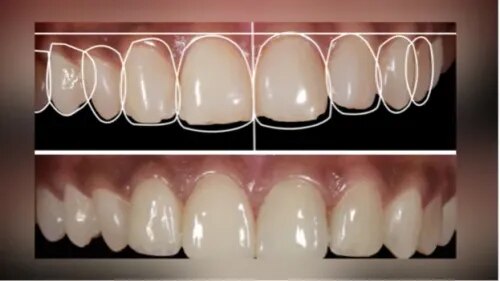
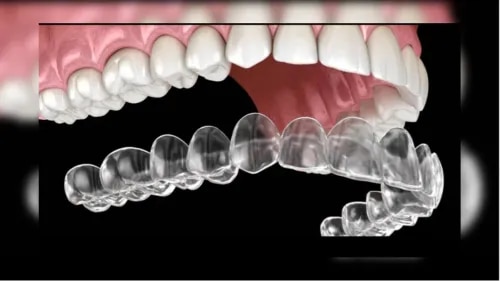
Smile Designing is a customized dental approach used to improve the appearance of your smile. It involves analyzing your teeth, gums, lips, and facial features to create a balanced, attractive, and natural-looking smile. ⭐ What Smile Designing Includes 1. Digital Smile Design (DSD) High-resolution photos and videos 3D intraoral scans Software simulation of your “before & after” smile Helps plan the exact shape, size, and alignment of teeth 2. Teeth Alignment Invisalign or braces Corrects crowding, spacing, rotations 3. Teeth Whitening In-office whitening (e.g., Zoom) Home whitening kits 4. Gum Contouring / Gingival Re-Shaping Corrects “gummy smile” Shapes uneven gum lines Often done with soft-tissue lasers 5. Veneers / Laminates Ultra-thin ceramic shells Improve colour, shape, and symmetry Minimally invasive 6. Composite Bonding Quick aesthetic correction Closes gaps, repairs chips, reshapes edges 7. Crowns & Bridges For heavily damaged or missing teeth Ceramic or zirconia options 8. Lip & Facial Proportions Ensures smile matches the facial profile Considers lip curvature, midline, smile arc 🎯 Who Needs Smile Designing? Stained or discoloured teeth Gaps between teeth Broken/fractured teeth Crooked or misaligned teeth Short, worn-out teeth Gummy smile Desire for a more aesthetic, confident smile 🕒 How Long Does It Take? Simple whitening / bonding → 1–2 days Veneers → 1–2 weeks Full smile makeover → 2–6 weeks If orthodontics needed → 3–18 months

Fixed Orthodontic Braces

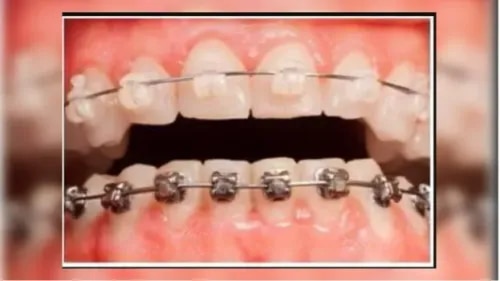
Definition: Fixed orthodontic braces are dental appliances that are bonded to the teeth to correct misalignment, crowding, spacing, and bite issues. Unlike removable appliances, they remain attached throughout the treatment period and are adjusted periodically by an orthodontist. Components of Fixed Braces Brackets: Small metal, ceramic, or composite attachments bonded to each tooth. Archwire: A thin metal wire that runs through the brackets and applies continuous gentle pressure to move teeth. Bands: Metal rings placed around molars to anchor the appliance. Ligatures (O-rings): Tiny elastic or metal ties that hold the archwire in place on the brackets. Buccal Tubes: Small attachments on molars that help hold the ends of the archwire. Elastics (Rubber Bands): Used to apply additional force to correct bite relationships. Types of Fixed Braces Metal Braces Made of stainless steel; traditional type Strong, cost-effective Ceramic Braces Tooth-colored brackets Aesthetic, less noticeable Self-ligating Braces Use clips instead of elastic ties Easier to clean, less friction Lingual Braces Attached to the back (tongue side) of teeth Invisible from the front Procedure Initial Consultation & Records: X-rays, photos, and impressions/scans. Bonding: Brackets are glued onto teeth, and the archwire is placed. Regular Adjustments: Every 4–6 weeks to tighten or replace wires and elastics. Debonding: Removal of braces after achieving desired alignment. Retention Phase: Retainers are given to maintain the new tooth position. Advantages Precise and controlled tooth movement Suitable for complex orthodontic cases Continuous treatment (cannot be removed by patient) Oral Care Tips Brush after every meal using a soft toothbrush and interdental brush Floss daily with orthodontic floss threaders or water flossers Use fluoride mouthwash to prevent decalcification Regular dental check-ups and professional cleaning

Teeth Cleaning with Advanced Technology

🦷 Guided Biofilm Therapy (GBT) vs Traditional Scaling and Polishing: The Future of Dental Cleaning Introduction When it comes to professional dental cleaning, most patients think of traditional scaling and polishing. However, modern dentistry has evolved — and Guided Biofilm Therapy (GBT) is redefining preventive dental care. If you’re searching for a gentle, effective, and scientifically advanced alternative to traditional cleaning, GBT offers a new gold standard in oral hygiene and biofilm management. In this article, we’ll explore the key differences between GBT and traditional scaling and polishing, their benefits, and why GBT is the future of dental hygiene. What Is Guided Biofilm Therapy (GBT)? Guided Biofilm Therapy (GBT) is an evidence-based, minimally invasive dental cleaning protocol developed by EMS (Electro Medical Systems, Switzerland). It focuses on identifying, disclosing, and removing dental biofilm — the main cause of tooth decay, gum disease, and implant complications — using advanced technologies Unlike conventional cleaning, GBT is a personalized, step-by-step procedure designed to enhance comfort, precision, and long-term oral health. What Is Traditional Scaling and Polishing? Traditional dental cleaning involves manually or ultrasonically removing tartar (calculus) from tooth surfaces, followed by polishing with abrasive paste to remove stains. While effective for basic cleaning, this method can be uncomfortable, abrasive, and less targeted — often focusing on visible calculus rather than the biofilm that causes disease. GBT vs Traditional Scaling and Polishing: A Detailed Comparison AspectTraditional Scaling & PolishingGuided Biofilm Therapy (GBT)Main GoalRemove calculus and stainsEliminate biofilm (the root cause of oral disease)ApproachMechanical cleaning without visualizationBiofilm disclosed and removed under visual guidanceTechnologyManual scalers, ultrasonic devices, polishing pasteAIRFLOW®, PERIOFLOW®, PIEZON® with erythritol/glycine powderComfort LevelMay cause sensitivity and discomfortWarm water spray, “NO PAIN” technology for gentle cleaningTissue PreservationCan cause enamel or root surface wearMinimally invasive; preserves teeth and soft tissueImplant & Ortho SafetyRisk of surface scratchingSafe for implants, braces, and restorationsPatient InvolvementPassive experienceDisclosing agents show plaque, improving awareness and motivationEfficiencyTime-consuming, especially for sensitive areasStreamlined and effective with visual guidanceLong-Term ResultsGood short-term cleaningSuperior long-term disease prevention and comfort Why Patients Prefer GBT 1. Pain-Free Experience GBT uses a warm water spray and soft erythritol or glycine powder, providing a gentle and comfortable cleaning experience — even for sensitive teeth. 2. Scientifically Proven Results GBT is based on biofilm management research and clinical evidence, ensuring optimal results for gum and implant health. 3. Minimally Invasive Technology Unlike traditional polishing, which can be abrasive, GBT is minimally invasive, preserving enamel, dentin, and soft tissues. 4. Perfect for Implants, Braces, and Restorations GBT is safe for use around orthodontic brackets, dental implants, crowns, and veneers, preventing surface damage. 5. Better Patient Motivation By disclosing biofilm, patients can see problem areas and understand the importance of proper brushing and flossing, improving home care compliance. Clinical Benefits for Dental Professionals Enhanced treatment efficiency and ergonomics Improved diagnostic accuracy through visualization of biofilm Reduced operator fatigue Standardized and repeatable protocol for consistent results Greater patient satisfaction and loyalty.

Subcategory Tags

Phone Number

08048034081

Please keep 0 before dialling the number.

Email Address dramitgup1974@gmail.com

Mon-Thu: 10 AM - 2 PM • Fri: 3 PM - 7AM

Address K, Firoz Ghandi Marg, Block K, Lajpat Nagar II, Lajpat Nagar, New Delhi, Delhi 110024

Delhi, India, 110024