Flap Surgery
Description
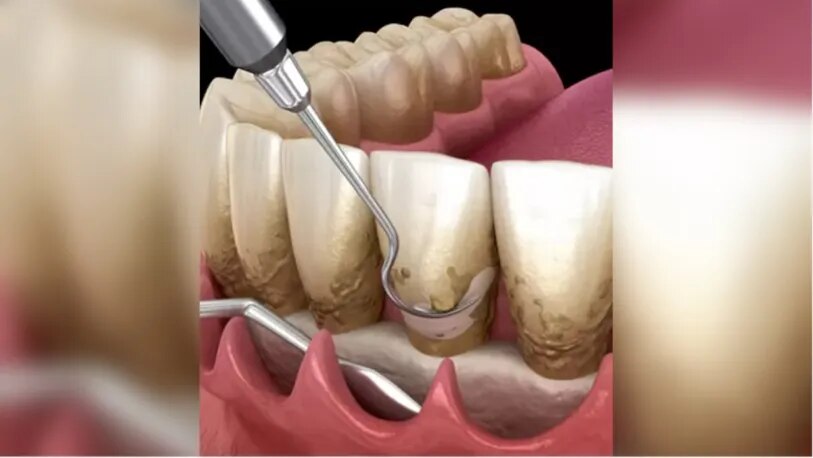
Flap surgery is a periodontal surgical procedure done to treat gum disease by accessing and cleaning deep periodontal pockets that cannot be reached with non-surgical treatments like scaling and root planing.
✔ Why Flap Surgery Is Done
Deep periodontal pockets
Persistent inflammation
Bone defects caused by periodontitis
To remove calculus/tartar below the gumline
To reshape gums and underlying bone
✔ How the Procedure Is Done (Step-by-step)
Local anesthesia is administered.
Incisions are made around the affected teeth.
Gum flap is gently lifted (reflected) to expose the tooth roots and bone.
Thorough cleaning: removal of plaque, tartar, infected tissue.
Bone shaping/contouring (if required).
Flap repositioning and suturing back into place.
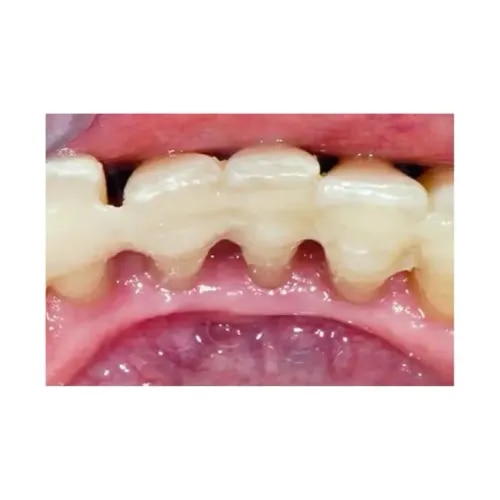
A periodontal dressing may be placed.
✔ Healing After Flap Surgery
Mild swelling or discomfort for 1–3 days
Sutures removed after 7–10 days
Most healing completes in 2–3 weeks
Strict oral hygiene is important
Chlorhexidine mouthwash may be prescribed
✔ Benefits
Reduces periodontal pockets
Eliminates infection
Helps regenerate healthier gums
Improves long-term tooth stability
Types of Flap Surgery
Modified Widman Flap – conservative, for deep cleaning
Open Flap Debridement – for severe periodontal pockets
Apically Repositioned Flap – used to reduce pocket depth
Regenerative flap surgery – with bone grafts / membranes
What Are The Goals Of Flap Surgery?
Eliminate or reduce the pocket itself.
Regeneration of bone tissue which may have been lost to the disease.
A variety of techniques may be used to accomplish this, including regenerative methods using bone grafting, PRF, and GTR( barrier membrane). (Click to learn more) These approaches help restore the gums to their normal form and function, and promote health and secure anchoring of teeth
What To Expect After Surgery?
Typically it takes only a few days to recover from a flap procedure. Make sure you follow the home care instructions that your periodontist gives you. If you have questions about your instructions, call us the Periodontist will assist you.
The following are general suggestions to help speed recovery:
Take painkillers as prescribed.
After 24 hours, you can rinse your mouth gently with warm salt water several times a day to reduce swelling and relieve pain.
Change gauze pads before they become soaked with blood.
Relax after surgery. Strenuous physical activity may increase bleeding.
Eat soft foods. Gradually add solid foods to your diet as the area heals.
Continue to carefully brush your teeth and tongue.
Apply an ice or cold pack to the outside of your mouth to help relieve pain and swelling.
Do not use sucking motions, such as when using a straw to drink.
Do not smoke.
Do not brush or floss in the graft site for ten days after surgery. You may begin gentle brushing with a soft toothbrush for another two to four days and finally return to normal brushing.