Delhi
08048034081
+919818331692

MadansMultispeciality Dental Care Centre

about-cover-bg image
About Madan's Multispeciality Dental Care Centre

The Best Dental Clinic in delhi

Services
Featured Services

What We Do

Space Maintainers for children

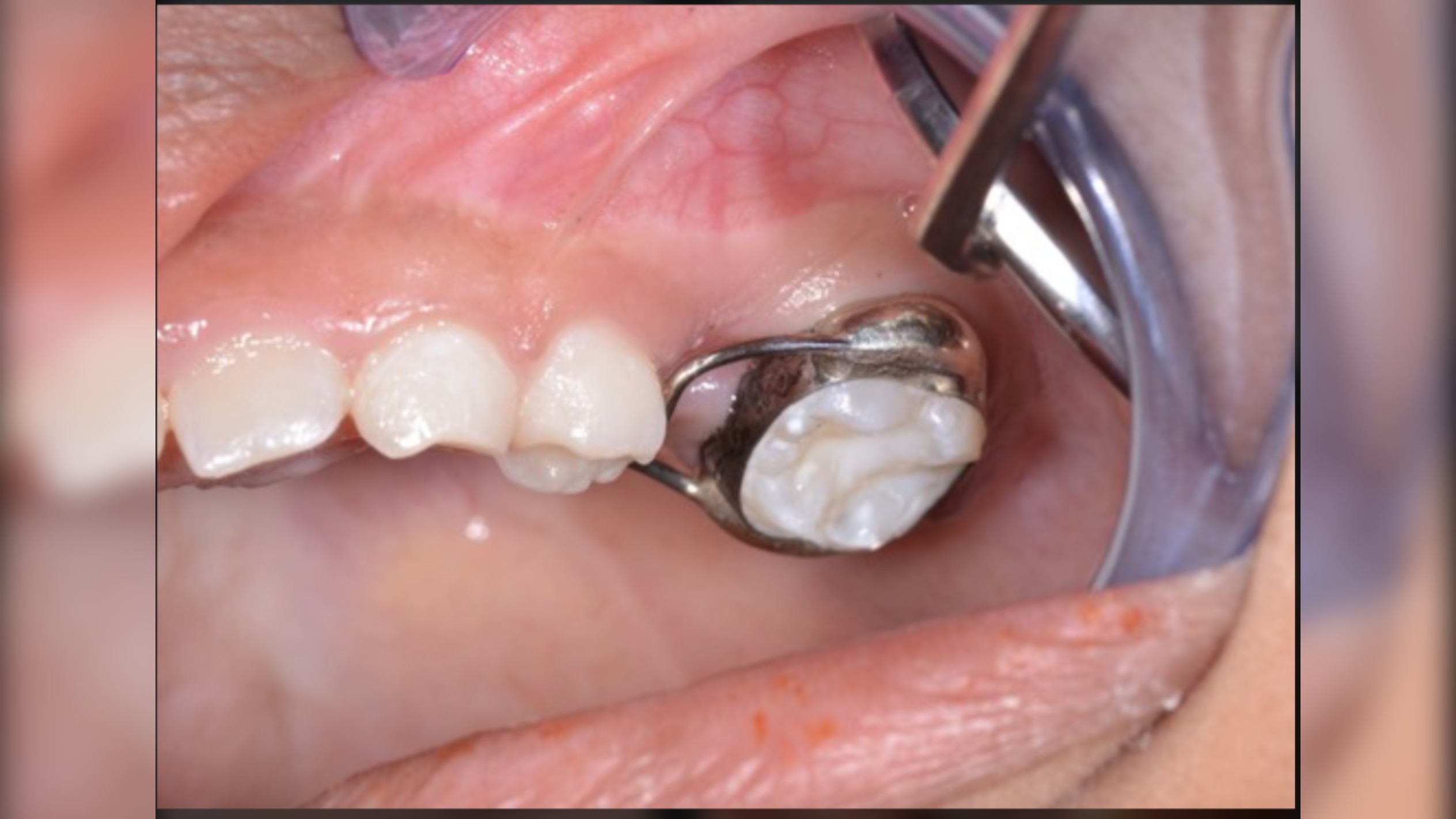
Space maintainers in pediatric dentistry are appliances used to preserve arch space after the premature loss of primary teeth so that permanent teeth can erupt into proper position and function.​ Definition and purpose A space maintainer is a fixed or removable appliance designed to keep the space created by early loss or extraction of a primary tooth until its permanent successor erupts.​ Its main goals are to prevent loss of arch length, avoid drifting and tipping of adjacent teeth, and reduce the risk of future malocclusion and need for complex orthodontic treatment.​ Indications and contraindications Space maintainers are indicated after premature loss of primary molars when there is a risk of mesial drift of posterior teeth or collapse of the dental arch, especially during the mixed dentition period.​ They are generally contraindicated when the permanent successor is close to eruption, in patients with poor oral hygiene or high caries risk, in presence of advanced crowding where space closure is desirable, or when there is poor cooperation with appliance use and follow‑up.​ Types of space maintainers Space maintainers can be classified as fixed or removable, and as unilateral or bilateral.​ Common fixed unilateral designs include band and loop, crown and loop, direct‑bonded and fiber‑reinforced composite maintainers, and distal shoe appliances; bilateral fixed appliances include lingual arch, Nance appliance, and transpalatal arch.​ Removable maintainers are usually acrylic plates (e.g., Hawley‑type partial dentures) that may incorporate artificial teeth, but they require more patient cooperation and are more prone to loss or breakage.​ Advantages and disadvantages Fixed space maintainers are generally preferred because they are more durable, less dependent on patient compliance, and show higher survival and effectiveness in preserving arch length.​ However, they can complicate plaque control, may decement or break, and require periodic recall visits for monitoring, adjustment, and professional cleaning.​ Removable appliances are easier to clean around and can replace missing teeth esthetically, but they depend heavily on the child’s cooperation and are more likely to be lost or not worn as prescribed.​ Clinical considerations and effectiveness Proper case selection requires assessment of dental age, time since tooth loss, eruption status of the successor, amount of space loss already present, and overall arch length–tooth size relationship.​ Evidence shows that space maintainers are effective in preventing space loss, maintaining arch integrity, and supporting normal eruption, but success depends on appropriate appliance design, good oral hygiene, and regular follow‑up to manage complications such as caries, soft‑tissue irritation, or appliance failure.

Caries in milk teeth

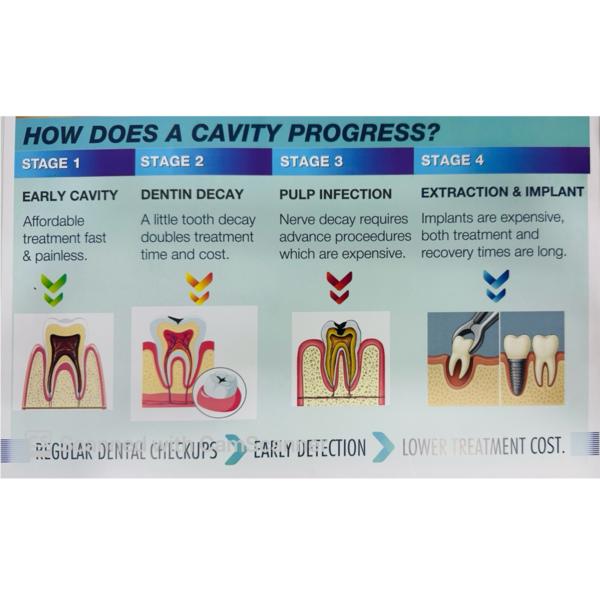
Caries, or tooth decay, in milk teeth (primary teeth) occurs when bacteria in a child's mouth feed on sugars from milk, juice, or foods, producing acids that erode enamel and form cavities, often starting as white chalky lines near the gums.​ Causes Sugary liquids like milk left in the mouth, especially during prolonged bottle-feeding or bedtime feeds, combine with bacteria to create acid that weakens teeth. Poor oral hygiene, frequent sugary snacks, and low saliva flow during sleep accelerate plaque buildup and decay.​ Symptoms and Risks Early signs include opaque white spots on upper front teeth, progressing to pain, sensitivity, swelling, and abscesses if untreated. Untreated caries can infect gums, damage developing permanent teeth, cause misalignment, and lead to early tooth loss or nutritional issues.​ Prevention Brush twice daily with fluoride toothpaste, limit sugary foods/drinks, avoid bedtime bottles, and schedule dental check-ups from the first tooth. Wipe gums after feeds and transition to cups by age one to reduce milk pooling. Treatment Early-stage decay Fluoride varnish: Applied by a dental professional to strengthen enamel and reverse early decay. Silver Diamine Fluoride (SDF): A liquid applied to stop decay from progressing, though it can turn the affected area black. Preventative measures: A dentist may recommend dietary changes and improved oral hygiene practices in addition to other treatments. Advanced decay Fillings: For early cavities, the dentist removes the decay and fills the tooth with a restorative material to protect it. Crowns: Used for larger cavities that have damaged the tooth significantly. A stainless steel crown is often used for baby teeth to provide a durable, long-lasting restoration. Pulp treatment: This may be necessary if the decay has reached the tooth's pulp. Extraction: In severe cases of infection or extensive decay, the tooth may need to be removed. Important considerations See a dentist early: It's recommended to take your child to the dentist by their first birthday or after their first tooth erupts for regular checkups. Consult a professional: Avoid trying home remedies for decay, as they can be harmful. Sedation: For some children, sedation may be necessary for invasive treatments due to their age.

Pit and Fissure Sealants

Pit and fissure sealants are thin, protective coatings applied to the grooves of back teeth to prevent dental caries, especially in children and adolescents.​ What they are and why used Pit and fissure sealants are flowable materials placed mainly on the occlusal surfaces of premolars and molars to block food and bacteria from collecting in deep pits and grooves. These areas are more prone to decay than smooth surfaces because they are harder to clean and receive less protection from fluoride.​ Types of sealant materials The two main categories are resin‑based sealants and glass ionomer sealants. Resin‑based sealants are usually preferred for their better retention, while glass ionomer sealants are useful when moisture control is difficult and provide fluoride release over time.​ Indications and effectiveness Sealants are recommended for newly erupted permanent molars and premolars with deep or stained fissures, especially in patients at moderate or high caries risk and without obvious cavitated lesions. When properly placed and maintained, sealants significantly reduce occlusal caries, with long‑term studies showing high success rates where retention is maintained.​ Basic application steps Typical clinical steps include cleaning the tooth, isolating it from saliva, etching the enamel (commonly with 37% phosphoric acid), rinsing and drying, applying the sealant to all susceptible pits and fissures, then light‑curing and checking occlusion. Adequate isolation and avoiding salivary contamination are critical because moisture greatly reduces retention of traditional hydrophobic resin sealants.​ Newer developments Newer moisture‑tolerant (hydrophilic) resin sealants have been developed to improve performance when perfect dryness is hard to achieve, such as in erupting molars. These materials aim to combine good retention with easier clinical handling and, in some products, bioactive or fluoride‑releasing properties.

Need Trusted Second Opinion?

Not sure about your diagnosis or treatment plan? We're here to help.
Doctor's Profile Picture

DR BHANU MADAN

DR BHANU MADAN

M.D.S B.DS Fellowship in Maxillofacial Prosthodontics
Delhi

Speciality

Senior Consultant - Dental Department Implantologist, Maxillofacial Prosthodontist Marengo Asia Hospitals, Gurugram 21 years of experience. Expertise in implantology Over 10000+ implants including zygomatic, and pterygoid implants. 100+ prosthetic rehabilitation of cancer patients Expert in Smile designing Master in dental laser therapy (TMJ pain relief, laser dental surgeries) Made 20000+ complete dentures, crowns and bridges


Education

M.D.S B.DS Fellowship in Maxillofacial Prosthodontics


Experience

24 years


Mobile

9818331692

Memberships

Indian prosthodontic society Indian dental association

Registration No

A-2661

Image Gallery

Pictures That Speak

Latest Updates

Read Our Latest Updates & News

update image

Pediatric Dentistry : Space Maintainers in Childrens Lajpat Nagar

2025-12-11T05:53:17 , update date

 2025-12-11T05:53:17
update image

Dental Fillings: A Comprehensive Guide || Most Trusted Dental Clinic in Lajpat Nagar

2025-12-11T05:39:33 , update date

 2025-12-11T05:39:33
update image

Space Maintainers for Children in South Delhi

2025-12-10T10:49:25 , update date

 2025-12-10T10:49:25
Testimonials
testimonial image

This place is fantastic! Coming from the US, you feel such a difference! Same day appointment, in house x-ray. Fast and ...

Read More
testimonial image

I got a reference through one of my friends, and Dr. Amit truly took excellent care of me. He was incredibly warm, frien...

Read More
testimonial image

Got scaling and a few other procedures done. The service was excellent and the staff is really cooperative!