
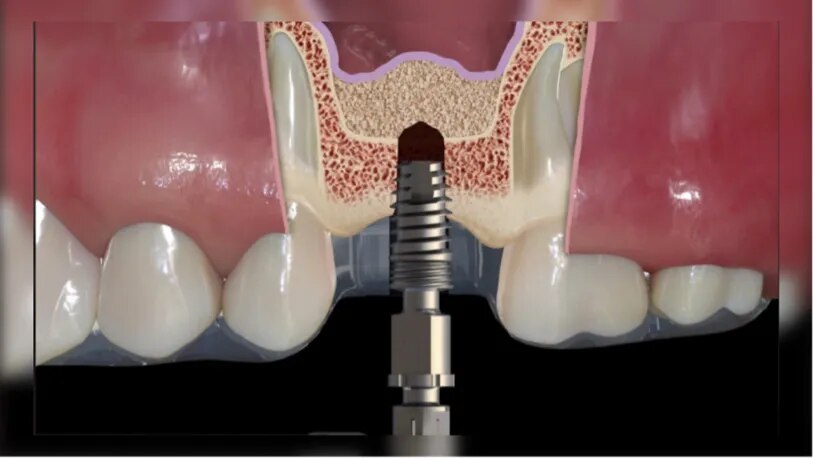
Indirect Sinus Lift Surgery
Description
Indirect sinus lift surgery is a minimally invasive dental procedure used to augment bone height in the posterior maxilla for dental implant placement when the maxillary sinus is too close to the alveolar ridge. It involves a crestal approach using osteotomes to gently fracture and elevate the sinus floor, creating space for bone graft material without direct visualization of the sinus membrane.
Procedure Overview
The surgery starts with local anesthesia and exposing the residual alveolar bone, typically suitable for cases with 6-8 mm of bone height. Osteotomes of increasing diameter are tapped into the bone to lift the sinus floor by 5-6 mm, followed by graft insertion and often simultaneous implant placement. Techniques like hydraulic lift or Sinu-Lift systems may use saline or specialized tools for membrane detachment.
Advantages
This method reduces surgical trauma compared to direct lateral window approaches, with lower risks of membrane perforation, shorter procedure times, and high implant survival rates of 93-100%. It allows single-stage treatment, better graft positioning, and avoids extensive incisions