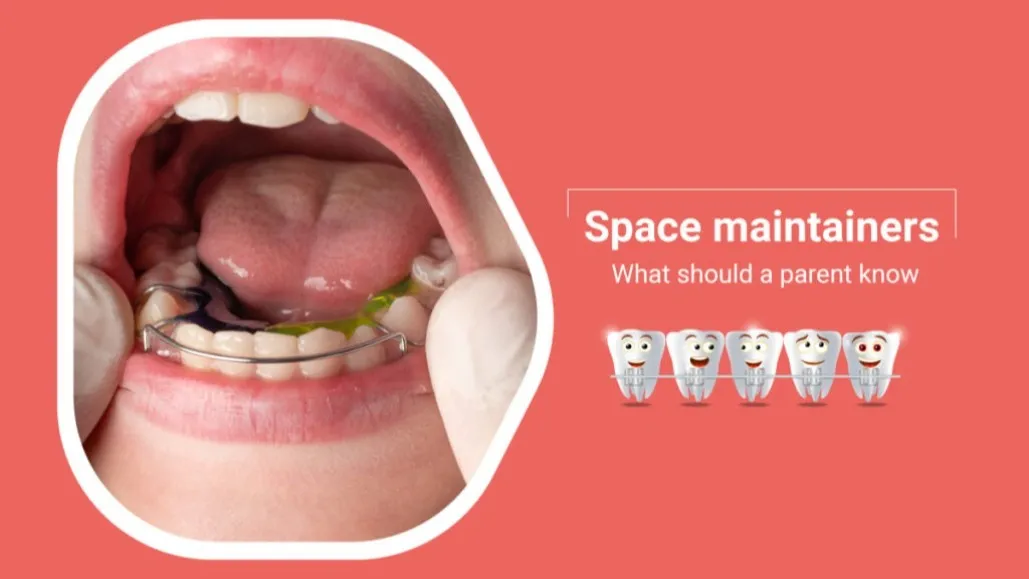
Space maintainers in pediatric dentistry are appliances designed to preserve arch space after premature loss of primary teeth, preventing adjacent teeth from shifting and ensuring proper eruption of permanent successors. These devices are crucial during the mixed dentition phase to avoid malocclusions like crowding or impaction.
Types
Fixed space maintainers, such as band and loop, crown and loop, lingual arch, and distal shoe, are cemented in place for durability and better compliance in young patients. Removable options include acrylic partial dentures for functional restoration in anterior or posterior regions, while functional maintainers like Nance appliances support mastication and esthetics. Emerging alternatives, including 3D-printed versions and fiber-reinforced composites, offer improved precision and aesthetics.
Indications
Placement is recommended after early primary tooth loss due to decay, trauma, or extraction, especially when significant time remains before permanent tooth eruption. They suit patients with good oral hygiene, stabilized caries, and no active habits like digit sucking unless addressed concurrently. Space analysis confirms need, prioritizing posterior molars to maintain arch length.
Materials and Care
Common materials include stainless steel bands, wire loops, acrylic bases, and modern composites for biocompatibility. Patients require routine dental visits for inspection, cleaning, and hygiene education to prevent plaque buildup. Removable types demand daily removal, brushing, and soaking.
Complications
Risks involve caries, gingivitis, appliance fracture, detachment, or root resorption, particularly in younger children or with poor maintenance. Fixed devices may hinder hygiene, while removable ones risk loss or non-compliance. Longevity varies, with bilateral fixed options showing promise but needing further study.
Advantages and disadvantages
Fixed space maintainers are generally preferred because they are more durable, less dependent on patient compliance, and show higher survival and effectiveness in preserving arch length.
However, they can complicate plaque control, may decement or break, and require periodic recall visits for monitoring, adjustment, and professional cleaning.
Removable appliances are easier to clean around and can replace missing teeth esthetically, but they depend heavily on the child’s cooperation and are more likely to be lost or not worn as prescribed.
Clinical considerations and effectiveness
Proper case selection requires assessment of dental age, time since tooth loss, eruption status of the successor, amount of space loss already present, and overall arch length–tooth size relationship.
Evidence shows that space maintainers are effective in preventing space loss, maintaining arch integrity, and supporting normal eruption, but success depends on appropriate appliance design, good oral hygiene, and regular follow‑up to manage complications such as caries, soft‑tissue irritation, or appliance failure.
Keywords