Dry mouth, medically known as xerostomia, affects many adults and becomes more common with age. If you live near Lajpat Nagar and are noticing persistent dryness, difficulty swallowing, or bad breath, understanding causes, symptoms, and treatments can help you get relief and protect your oral health.
What is xerostomia?
Xerostomia means reduced saliva production. Saliva protects teeth, helps digestion, and prevents infections. When saliva is low, you may experience discomfort, increased cavities, and problems with eating or speaking.
Common causes
• Medications: Many common drugs (antidepressants, antihypertensives, antihistamines, diuretics) list dry mouth as a side effect. Adults aged 38–65 often take one or more of these medications.
• Medical conditions: Diabetes, Sjögren’s syndrome, Parkinson’s disease, and autoimmune disorders can reduce saliva.
• Cancer treatments: Radiation to the head and neck or certain chemotherapy agents can damage salivary glands.
• Dehydration and lifestyle: Low fluid intake, heavy caffeine or alcohol use, and smoking contribute to dry mouth.
• Age-related changes: Saliva production may slow with age not always because of aging alone but often due to medication or health conditions common in middle age.
• Mouth breathing: Chronic nasal problems that force mouth breathing can dry oral tissues.
Symptoms to watch for
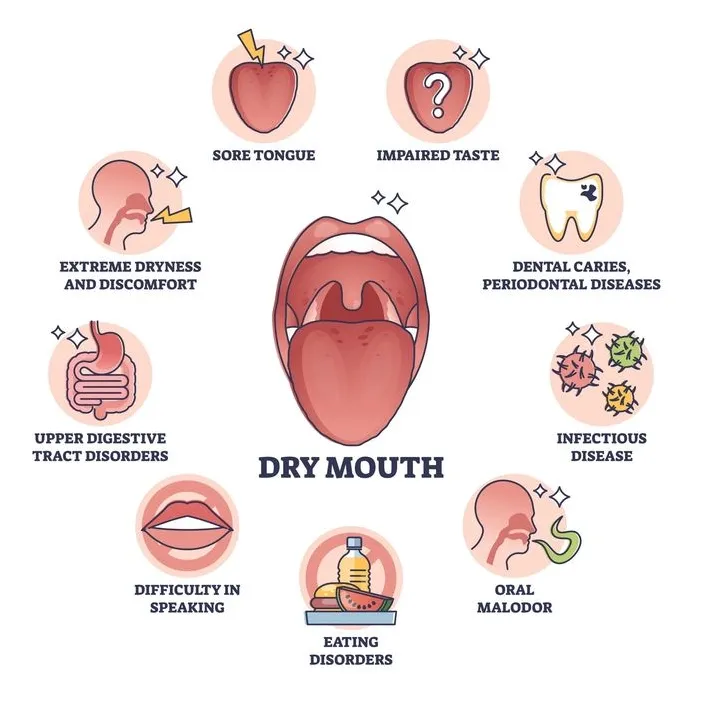
• Persistent dry, sticky mouth feeling
• Difficulty swallowing or speaking clearly
• Thick saliva, bad breath (halitosis)
• Burning or tingling tongue
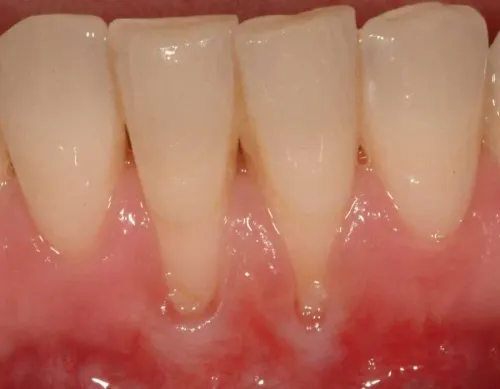
• Increased tooth decay, cavities, or gum disease
• Difficulty wearing dentures or speaking with dentures
• Frequent sore throat or oral infections (thrush)
Prevention and daily self-care
• Stay hydrated: Sip water regularly throughout the day. Carry a water bottle while walking around Lajpat Nagar or commuting.
• Chew sugar-free gum or suck on sugar-free lozenges to stimulate saliva (look for xylitol).
• Avoid tobacco, excess alcohol, and limit caffeine intake.
• Use a humidifier at night to reduce mouth dryness while sleeping.
• Maintain excellent oral hygiene: brush twice daily with fluoride toothpaste, floss daily, and use an alcohol-free mouthwash.
• Review medications with your doctor or dentist to see if alternatives or timing changes can reduce dry mouth.
Dental treatments and professional care
• Saliva substitutes and oral moisturizers: Over-the-counter gels or sprays can provide temporary relief.
• Prescription medications: Your dentist or physician may prescribe saliva-stimulating drugs for suitable candidates.
• Fluoride treatments: Professional topical fluoride or take-home trays help prevent cavities caused by low saliva.
• Treat underlying conditions: Managing diabetes, sinus problems, or autoimmune disease can improve symptoms.
• Regular dental check-ups: Visit your dentist every 3–6 months if you have xerostomia to monitor for tooth decay and oral infections.
When to see your dentist
If dry mouth is persistent, worsens, or is accompanied by difficulty swallowing, unexplained weight loss, or new oral sores, book an appointment. Early evaluation helps prevent dental damage and identifies medical causes.
If you live near South Delhi and are experiencing dry mouth, Madan’s Multispeciality Dental Care Centre offers targeted xerostomia care: medication review, preventive fluoride therapy, and personalized saliva management plans.
Call 9818331692 today!
What is xerostomia?
Xerostomia means reduced saliva production. Saliva protects teeth, helps digestion, and prevents infections. When saliva is low, you may experience discomfort, increased cavities, and problems with eating or speaking.
Common causes
• Medications: Many common drugs (antidepressants, antihypertensives, antihistamines, diuretics) list dry mouth as a side effect. Adults aged 38–65 often take one or more of these medications.
• Medical conditions: Diabetes, Sjögren’s syndrome, Parkinson’s disease, and autoimmune disorders can reduce saliva.
• Cancer treatments: Radiation to the head and neck or certain chemotherapy agents can damage salivary glands.
• Dehydration and lifestyle: Low fluid intake, heavy caffeine or alcohol use, and smoking contribute to dry mouth.
• Age-related changes: Saliva production may slow with age not always because of aging alone but often due to medication or health conditions common in middle age.
• Mouth breathing: Chronic nasal problems that force mouth breathing can dry oral tissues.
Symptoms to watch for
• Persistent dry, sticky mouth feeling
• Difficulty swallowing or speaking clearly
• Thick saliva, bad breath (halitosis)
• Burning or tingling tongue
• Increased tooth decay, cavities, or gum disease
• Difficulty wearing dentures or speaking with dentures
• Frequent sore throat or oral infections (thrush)
Prevention and daily self-care
• Stay hydrated: Sip water regularly throughout the day. Carry a water bottle while walking around Lajpat Nagar or commuting.
• Chew sugar-free gum or suck on sugar-free lozenges to stimulate saliva (look for xylitol).
• Avoid tobacco, excess alcohol, and limit caffeine intake.
• Use a humidifier at night to reduce mouth dryness while sleeping.
• Maintain excellent oral hygiene: brush twice daily with fluoride toothpaste, floss daily, and use an alcohol-free mouthwash.
• Review medications with your doctor or dentist to see if alternatives or timing changes can reduce dry mouth.
Dental treatments and professional care
• Saliva substitutes and oral moisturizers: Over-the-counter gels or sprays can provide temporary relief.
• Prescription medications: Your dentist or physician may prescribe saliva-stimulating drugs for suitable candidates.
• Fluoride treatments: Professional topical fluoride or take-home trays help prevent cavities caused by low saliva.
• Treat underlying conditions: Managing diabetes, sinus problems, or autoimmune disease can improve symptoms.
• Regular dental check-ups: Visit your dentist every 3–6 months if you have xerostomia to monitor for tooth decay and oral infections.
When to see your dentist
If dry mouth is persistent, worsens, or is accompanied by difficulty swallowing, unexplained weight loss, or new oral sores, book an appointment. Early evaluation helps prevent dental damage and identifies medical causes.
If you live near South Delhi and are experiencing dry mouth, Madan’s Multispeciality Dental Care Centre offers targeted xerostomia care: medication review, preventive fluoride therapy, and personalized saliva management plans.
Call 9818331692 today!
Keywords