Wisdom teeth, also called third molars, are the last teeth to appear in the mouth, usually between the ages of 17 and 25. For many people, they come in without causing any trouble. But in others, wisdom teeth can lead to pain, swelling, infection, or crowding and may need to be removed.
If you are searching for wisdom tooth pain treatment this guide will help you understand the signs, risks, and treatment options.
What Are Wisdom Teeth?
Wisdom teeth are the back-most teeth on both sides of your upper and lower jaws. Most adults have four wisdom teeth, though some may have fewer or none at all. In many cases, there is not enough space for them to erupt properly, which can cause them to remain trapped under the gum or come in at an angle.
This condition is called impacted wisdom teeth, and it is one of the most common reasons for removal.
When Do Wisdom Teeth Need Removal?
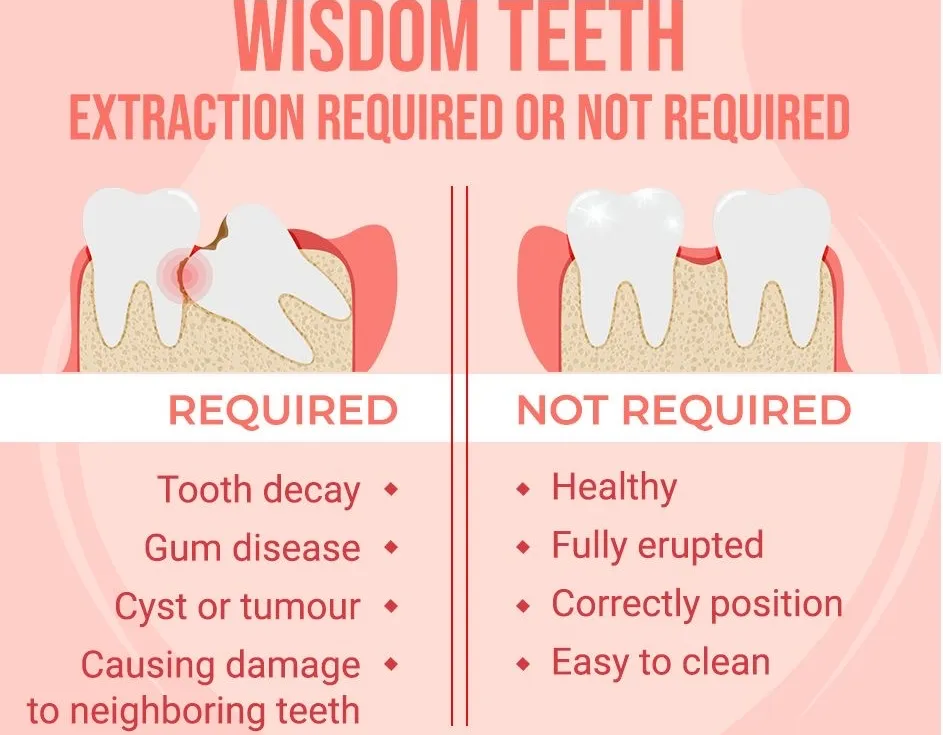
Wisdom teeth may need to be removed if they are causing or likely to cause problems such as:
•Pain in the back of the jaw.
•Swelling around the gums or jaw.
•Repeated gum infection near the tooth.
•Difficulty opening the mouth.
•Bad breath or bad taste in the mouth.
•Food getting stuck around the tooth.
•Pressure on nearby teeth.
•Tooth decay in the wisdom tooth or the adjacent tooth.
Even if a wisdom tooth does not hurt now, a dentist may still recommend removal if it is impacted, growing in the wrong direction, or difficult to clean. Regular dental checkups can help detect these issues early.
Common Symptoms Patients Notice
Many patients do not realize their discomfort is linked to wisdom teeth. Common signs include:
•Pain at the back of the mouth while chewing.
•Tender or red gums near the last tooth.
•Jaw stiffness or discomfort while opening the mouth.
•Headache or ear pain related to jaw pressure.
•Swelling in the cheek or lower face.
•Repeated gum infection around the wisdom tooth.
If these symptoms continue, it is best to consult a dentist before the problem gets worse.
Why Timely Removal Matters
Leaving a problematic wisdom tooth untreated can lead to serious dental issues, including infection, damage to nearby teeth, cyst formation, or gum disease. In some cases, the tooth may become harder to remove later due to deeper roots or stronger bone support.
If you are searching for wisdom tooth pain treatment this guide will help you understand the signs, risks, and treatment options.
What Are Wisdom Teeth?
Wisdom teeth are the back-most teeth on both sides of your upper and lower jaws. Most adults have four wisdom teeth, though some may have fewer or none at all. In many cases, there is not enough space for them to erupt properly, which can cause them to remain trapped under the gum or come in at an angle.
This condition is called impacted wisdom teeth, and it is one of the most common reasons for removal.
When Do Wisdom Teeth Need Removal?
Wisdom teeth may need to be removed if they are causing or likely to cause problems such as:
•Pain in the back of the jaw.
•Swelling around the gums or jaw.
•Repeated gum infection near the tooth.
•Difficulty opening the mouth.
•Bad breath or bad taste in the mouth.
•Food getting stuck around the tooth.
•Pressure on nearby teeth.
•Tooth decay in the wisdom tooth or the adjacent tooth.
Even if a wisdom tooth does not hurt now, a dentist may still recommend removal if it is impacted, growing in the wrong direction, or difficult to clean. Regular dental checkups can help detect these issues early.
Common Symptoms Patients Notice
Many patients do not realize their discomfort is linked to wisdom teeth. Common signs include:
•Pain at the back of the mouth while chewing.
•Tender or red gums near the last tooth.
•Jaw stiffness or discomfort while opening the mouth.
•Headache or ear pain related to jaw pressure.
•Swelling in the cheek or lower face.
•Repeated gum infection around the wisdom tooth.
If these symptoms continue, it is best to consult a dentist before the problem gets worse.
Why Timely Removal Matters
Leaving a problematic wisdom tooth untreated can lead to serious dental issues, including infection, damage to nearby teeth, cyst formation, or gum disease. In some cases, the tooth may become harder to remove later due to deeper roots or stronger bone support.
Keywords