Many patients tell us they brush twice daily yet still notice yellowing, dark spots, or hard deposits on their teeth.
Understanding why this happens helps you take the right next steps for a brighter, healthier smile.
What are stains and deposits?
• Extrinsic stains: Surface discoloration caused by foods (tea, coffee, red wine), tobacco, and certain spices or sauces. These cling to the enamel.
• Intrinsic stains: Deeper discoloration inside the tooth from ageing, previous dental work, medications, or trauma.
• Dental deposits (plaque and calculus or tartar): Plaque is a sticky bacterial film that forms constantly. If not fully removed, it mineralizes into hard calculus (tartar) that bonds to teeth.
Why brushing alone sometimes isn’t enough
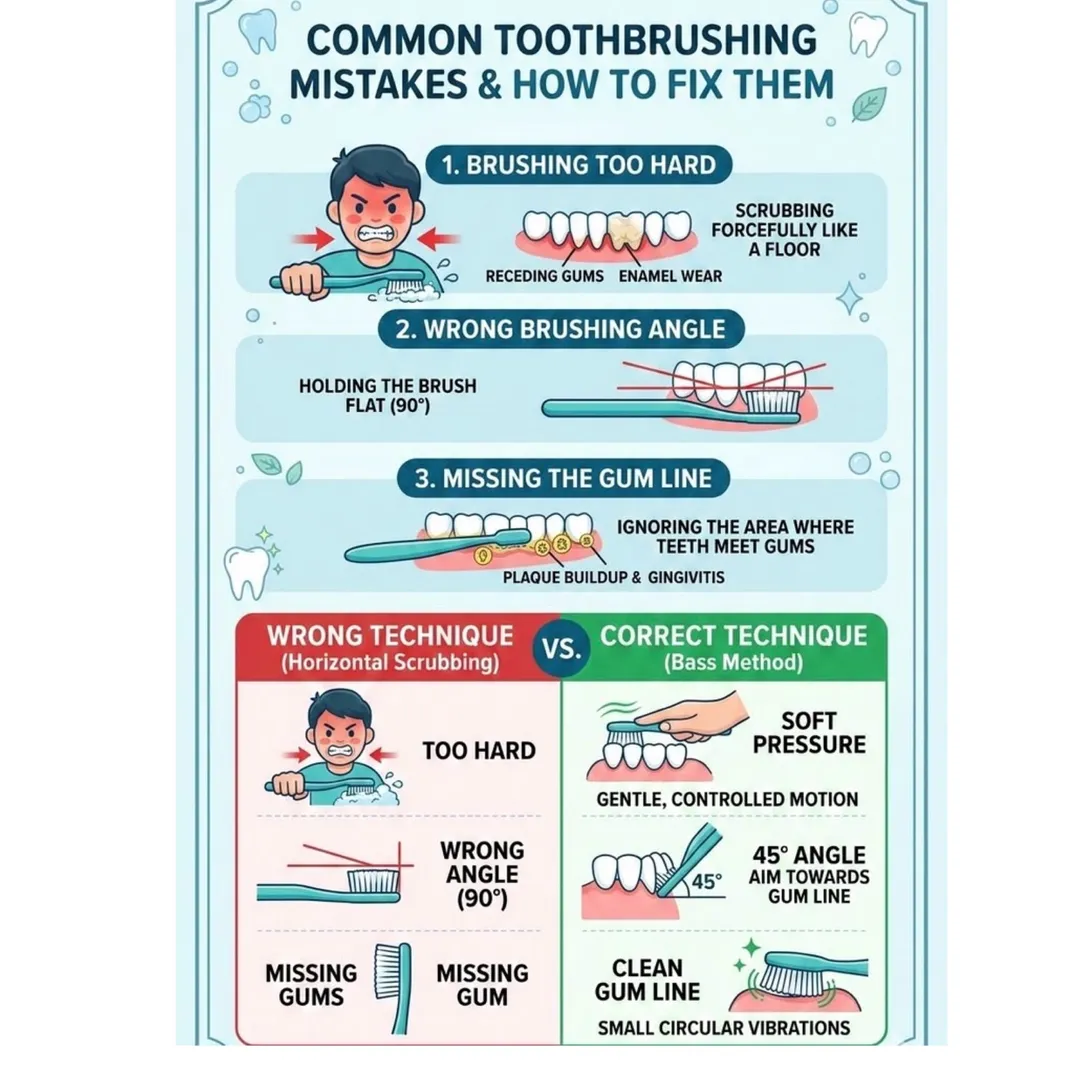
• Technique and coverage: Brushing may miss areas along the gumline, between teeth, and back molars. Improper angle or too-short brushing time reduces effectiveness.
• Hard-to-reach spaces: Interdental contacts and under restorations accumulate plaque that a toothbrush can’t reach.
• Toothbrush limitations: Manual brushes can be less effective than powered brushes for removing plaque in older adults or those with limited dexterity.
• Rapid plaque re-formation: Plaque starts forming within hours after cleaning; daily habits (frequent snacking, smoking) speed buildup.
• Mineralization: Once plaque hardens into calculus (usually within 24–72 hours), brushing cannot remove it , only professional scaling does.
• Diet and lifestyle: Regular consumption of staining agents and acidic drinks weakens enamel and increases stain uptake.
• Medications and health conditions: Certain medicines or systemic conditions can change tooth color or saliva composition, increasing deposits.
• Age-related changes: Enamel thins with age, exposing darker dentin and making stains more visible.
Common symptoms patients notice
• Yellowing or darker shade of teeth
• Rough or chalky deposits near the gumline
• Persistent bad breath despite brushing
• Gum inflammation or bleeding around stained areas
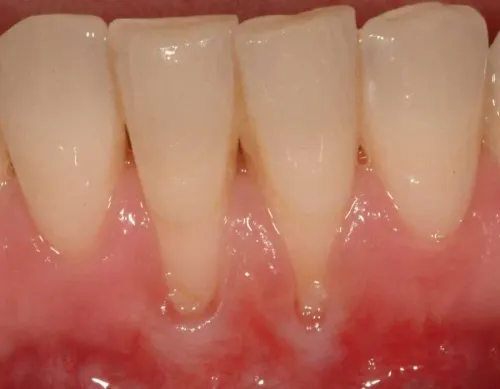
• Sensitivity when enamel thins or receding gums expose roots
• Visible dark lines near old fillings or crowns
What to do next (practical steps)
• Improve daily cleaning: Brush two minutes twice daily, using a soft brush at a 45° angle along the gumline. Consider an electric toothbrush for better plaque removal.
• Add interdental cleaning: Use floss, interdental brushes, or a water flosser daily to remove plaque between teeth.
• Limit staining foods: Reduce tea, coffee, tobacco, and strong spices; rinse with water after consuming them.
• Use adjuncts: Antiplaque mouthwashes and whitening toothpaste can help with minor surface stains but won’t remove tartar.
• Professional care: Schedule dental scaling and polishing every 6–12 months (sooner if calculus forms quickly). For intrinsic stains, ask about in-office whitening or conservative restorations.
• Check meds and health: Discuss with your dentist or physician if medications or health issues may be contributing.
When to see a dentist urgently
• Gum bleeding or swelling
• Persistent bad breath
• Increasing sensitivity or visible recession
• Rapid buildup of hard deposits despite good home care
- Book a check-up at Madan’s Multispeciality Dental Care Centre, Lajpat Nagar
If stains or hard deposits are affecting your smile or comfort, we can help.
At Madan’s Multispeciality Dental Care Centre, Lajpat Nagar, we offer thorough exams, ultrasonic scaling, polishing, and personalized home-care advice tailored to patients aged 38–65.
Book an appointment at 9818331692 for a professional cleaning and a clear plan to keep your teeth clean, stain-free, and healthy
Understanding why this happens helps you take the right next steps for a brighter, healthier smile.
What are stains and deposits?
• Extrinsic stains: Surface discoloration caused by foods (tea, coffee, red wine), tobacco, and certain spices or sauces. These cling to the enamel.
• Intrinsic stains: Deeper discoloration inside the tooth from ageing, previous dental work, medications, or trauma.
• Dental deposits (plaque and calculus or tartar): Plaque is a sticky bacterial film that forms constantly. If not fully removed, it mineralizes into hard calculus (tartar) that bonds to teeth.
Why brushing alone sometimes isn’t enough
• Technique and coverage: Brushing may miss areas along the gumline, between teeth, and back molars. Improper angle or too-short brushing time reduces effectiveness.
• Hard-to-reach spaces: Interdental contacts and under restorations accumulate plaque that a toothbrush can’t reach.
• Toothbrush limitations: Manual brushes can be less effective than powered brushes for removing plaque in older adults or those with limited dexterity.
• Rapid plaque re-formation: Plaque starts forming within hours after cleaning; daily habits (frequent snacking, smoking) speed buildup.
• Mineralization: Once plaque hardens into calculus (usually within 24–72 hours), brushing cannot remove it , only professional scaling does.
• Diet and lifestyle: Regular consumption of staining agents and acidic drinks weakens enamel and increases stain uptake.
• Medications and health conditions: Certain medicines or systemic conditions can change tooth color or saliva composition, increasing deposits.
• Age-related changes: Enamel thins with age, exposing darker dentin and making stains more visible.
Common symptoms patients notice
• Yellowing or darker shade of teeth
• Rough or chalky deposits near the gumline
• Persistent bad breath despite brushing
• Gum inflammation or bleeding around stained areas
• Sensitivity when enamel thins or receding gums expose roots
• Visible dark lines near old fillings or crowns
What to do next (practical steps)
• Improve daily cleaning: Brush two minutes twice daily, using a soft brush at a 45° angle along the gumline. Consider an electric toothbrush for better plaque removal.
• Add interdental cleaning: Use floss, interdental brushes, or a water flosser daily to remove plaque between teeth.
• Limit staining foods: Reduce tea, coffee, tobacco, and strong spices; rinse with water after consuming them.
• Use adjuncts: Antiplaque mouthwashes and whitening toothpaste can help with minor surface stains but won’t remove tartar.
• Professional care: Schedule dental scaling and polishing every 6–12 months (sooner if calculus forms quickly). For intrinsic stains, ask about in-office whitening or conservative restorations.
• Check meds and health: Discuss with your dentist or physician if medications or health issues may be contributing.
When to see a dentist urgently
• Gum bleeding or swelling
• Persistent bad breath
• Increasing sensitivity or visible recession
• Rapid buildup of hard deposits despite good home care
- Book a check-up at Madan’s Multispeciality Dental Care Centre, Lajpat Nagar
If stains or hard deposits are affecting your smile or comfort, we can help.
At Madan’s Multispeciality Dental Care Centre, Lajpat Nagar, we offer thorough exams, ultrasonic scaling, polishing, and personalized home-care advice tailored to patients aged 38–65.
Book an appointment at 9818331692 for a professional cleaning and a clear plan to keep your teeth clean, stain-free, and healthy
Keywords