At Madan’s Multispeciality Dental Care Centre, we often meet patients who come in with a nagging, hard-to-describe tooth pain.
They’ve visited before, had X-rays that look fine, and still wince when biting or sipping something cold.
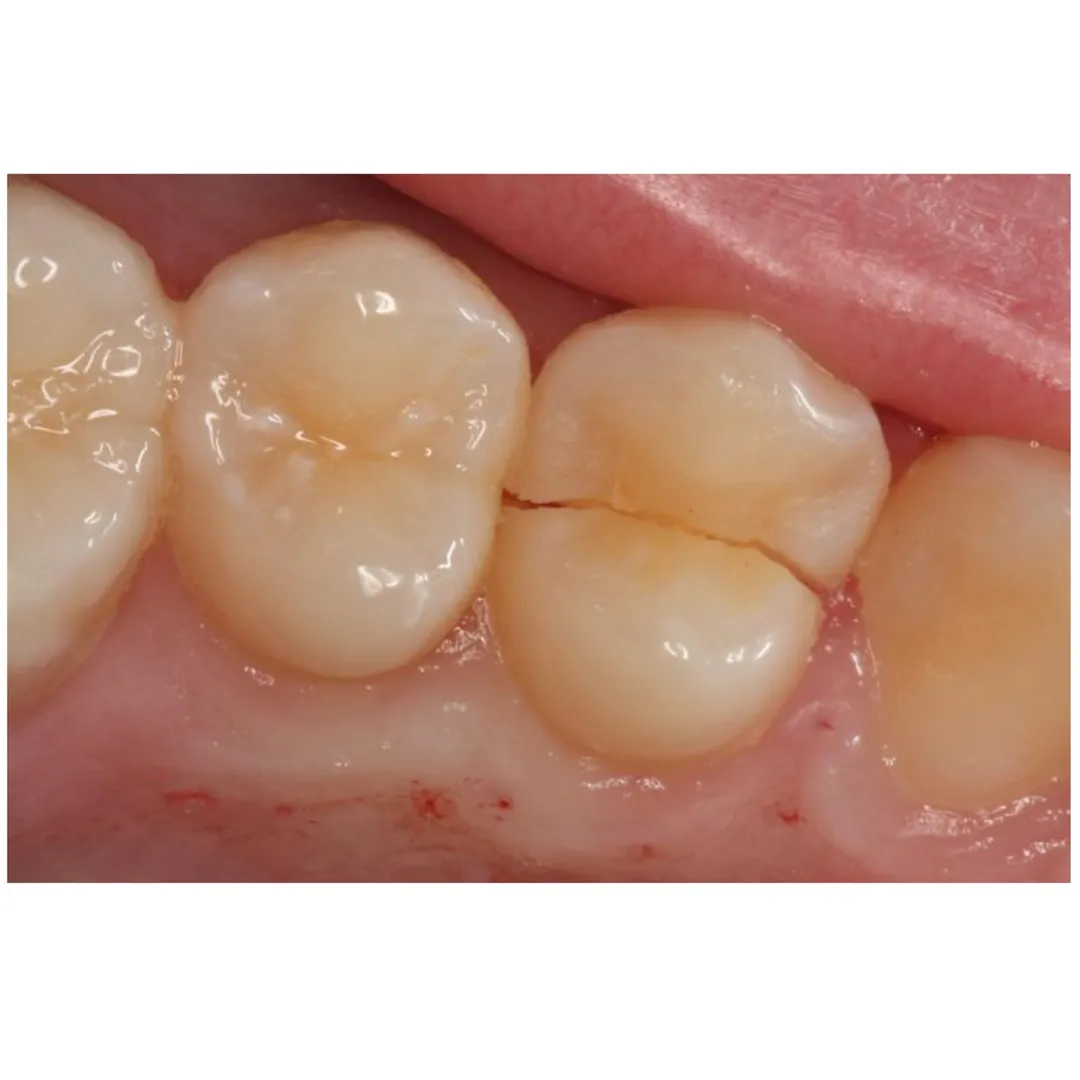
Many of these cases turn out to be cracked tooth syndrome, a subtle but real dental problem that can quietly affect your comfort and long-term oral health.
- What cracked tooth syndrome feels like
Cracked tooth syndrome is not always dramatic. Instead of a broken, visibly damaged tooth, you may notice sharp pain when chewing, discomfort that comes and goes, sensitivity to cold or sweets, and sometimes only when biting down in a particular way. Because the crack can be tiny and hidden below the gumline or between teeth, it might not show up on routine X-rays. That’s why patients often describe the experience as frustrating — normal tests, persistent pain.
- Why it happens
Teeth can crack for several reasons. Grinding or clenching habits (bruxism) place excessive forces on teeth. Large fillings weaken the remaining tooth structure, making it more prone to fractures. Accidents, chewing hard objects like bones or ice, and sudden temperature changes (eating something very hot followed by something very cold) can also trigger cracks. Age plays a role too; teeth become less flexible over time and more likely to crack.
- How we diagnose it
At Madan’s, diagnosis begins with a detailed conversation about your symptoms and dental history. Our dentists perform a careful clinical exam, using magnification and specialized light to look for hairline cracks. We may use bite tests, transillumination (shining light through the tooth), and sometimes a small dye that highlights fracture lines. Even if X-rays don’t show a crack, these methods help pinpoint the problem.
-Treatment options
Treatment depends on the crack’s location, depth, and how much the tooth is affected:
• Bonding or composite fillings: For very small cracks, a conservative filling can seal and stabilize the tooth.
• Dental crown: A crown covers the tooth, redistributes chewing forces, and is the most common treatment for cracked tooth syndrome.
• Onlay or inlay: These restorations can preserve more tooth structure than a full crown while providing strength.
• Root canal therapy: If the crack has reached the pulp (nerve) of the tooth, root canal treatment may be needed before restoration.
• Extraction: In severe cases where the crack extends below the gumline and the tooth cannot be saved, removal may be necessary.
Prevention and care
You can reduce your risk of cracked tooth syndrome with a few simple steps: avoid chewing hard items (ice, hard candy), wear a night guard if you grind your teeth, and maintain regular dental check-ups so early thinning or small fractures are caught before they worsen. If you feel an unusual bite or sudden tooth pain, don’t wait — early assessment often allows simpler, tooth-preserving treatments.
Why choose us
At Madan’s Multispeciality Dental Care Centre, we combine gentle patient communication with modern diagnostics and restorative techniques to treat cracked tooth syndrome effectively. We focus on preserving natural teeth whenever possible and explaining each step so you feel informed and comfortable about your care.
If you’re experiencing unexplained tooth pain or sensitivity, book a consultation with us. Early diagnosis can save the tooth and prevent future pain.
To book an appointment, call 9818224469 or visit pur website
They’ve visited before, had X-rays that look fine, and still wince when biting or sipping something cold.
Many of these cases turn out to be cracked tooth syndrome, a subtle but real dental problem that can quietly affect your comfort and long-term oral health.
- What cracked tooth syndrome feels like
Cracked tooth syndrome is not always dramatic. Instead of a broken, visibly damaged tooth, you may notice sharp pain when chewing, discomfort that comes and goes, sensitivity to cold or sweets, and sometimes only when biting down in a particular way. Because the crack can be tiny and hidden below the gumline or between teeth, it might not show up on routine X-rays. That’s why patients often describe the experience as frustrating — normal tests, persistent pain.
- Why it happens
Teeth can crack for several reasons. Grinding or clenching habits (bruxism) place excessive forces on teeth. Large fillings weaken the remaining tooth structure, making it more prone to fractures. Accidents, chewing hard objects like bones or ice, and sudden temperature changes (eating something very hot followed by something very cold) can also trigger cracks. Age plays a role too; teeth become less flexible over time and more likely to crack.
- How we diagnose it
At Madan’s, diagnosis begins with a detailed conversation about your symptoms and dental history. Our dentists perform a careful clinical exam, using magnification and specialized light to look for hairline cracks. We may use bite tests, transillumination (shining light through the tooth), and sometimes a small dye that highlights fracture lines. Even if X-rays don’t show a crack, these methods help pinpoint the problem.
-Treatment options
Treatment depends on the crack’s location, depth, and how much the tooth is affected:
• Bonding or composite fillings: For very small cracks, a conservative filling can seal and stabilize the tooth.
• Dental crown: A crown covers the tooth, redistributes chewing forces, and is the most common treatment for cracked tooth syndrome.
• Onlay or inlay: These restorations can preserve more tooth structure than a full crown while providing strength.
• Root canal therapy: If the crack has reached the pulp (nerve) of the tooth, root canal treatment may be needed before restoration.
• Extraction: In severe cases where the crack extends below the gumline and the tooth cannot be saved, removal may be necessary.
Prevention and care
You can reduce your risk of cracked tooth syndrome with a few simple steps: avoid chewing hard items (ice, hard candy), wear a night guard if you grind your teeth, and maintain regular dental check-ups so early thinning or small fractures are caught before they worsen. If you feel an unusual bite or sudden tooth pain, don’t wait — early assessment often allows simpler, tooth-preserving treatments.
Why choose us
At Madan’s Multispeciality Dental Care Centre, we combine gentle patient communication with modern diagnostics and restorative techniques to treat cracked tooth syndrome effectively. We focus on preserving natural teeth whenever possible and explaining each step so you feel informed and comfortable about your care.
If you’re experiencing unexplained tooth pain or sensitivity, book a consultation with us. Early diagnosis can save the tooth and prevent future pain.
To book an appointment, call 9818224469 or visit pur website
Keywords