Bleeding gums are common, but they’re not normal. If you live near Lajpat Nagar and notice bleeding when you brush, floss, or chew, don’t wait, it can be the first sign of gum disease and other health problems. This article explains common symptoms, why bleeding gums matter, and what to do next so you can protect your smile and overall health.
What causes bleeding gums?
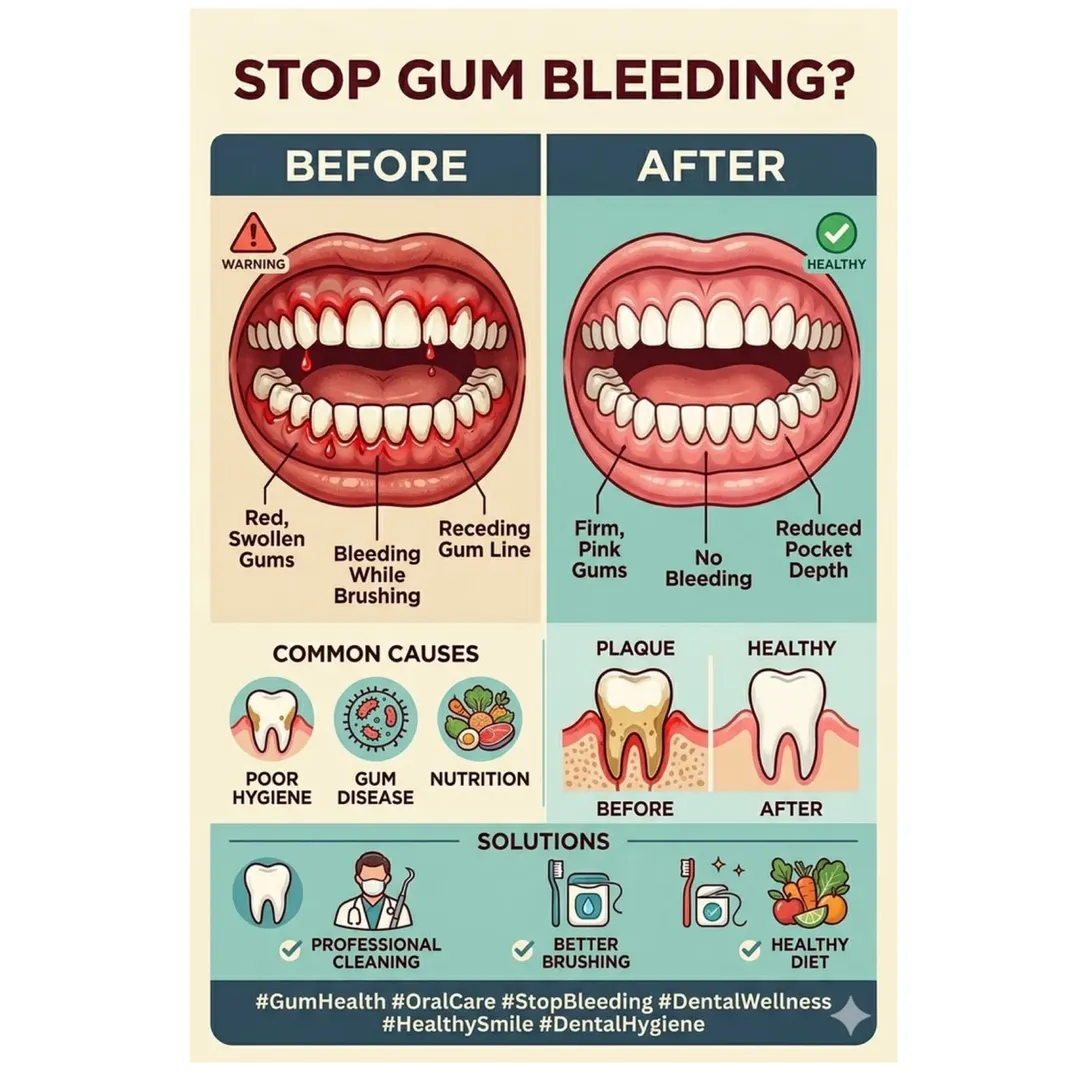
• Plaque and gum inflammation (gingivitis). The most common cause is plaque buildup along the gum line that irritates tissues.
• Periodontitis. Untreated gingivitis can progress to periodontitis, where gum pockets form, bone is lost, and teeth can loosen.
• Aggressive brushing or hard toothbrushes. Brushing too hard or using a stiff brush can damage gums.
• Poor flossing technique. Starting flossing after long gaps can cause temporary bleeding, but consistent gentle flossing should reduce it.
• Medications and health conditions. Blood thinners, uncontrolled diabetes, hormonal changes (menopause), and immune issues can increase bleeding risk.
• Nutritional deficiencies. Low vitamin C or K can contribute.
• Smoking and tobacco use. Although smoking may hide bleeding initially, it worsens gum disease long-term.
Common symptoms patients notice
• Bleeding while brushing or flossing.
• Swollen, red, or tender gums.
• Persistent bad breath (halitosis).
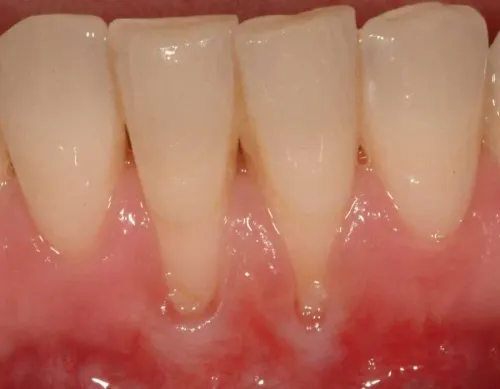
• Receding gums or gums that pull away from teeth.
• Loose or separating teeth.
• Pus between gums and teeth, or changes in bite.
Why you shouldn’t ignore bleeding gums
• Early warning sign: Bleeding is often the first sign of gum disease. Treating gingivitis early is usually simple and reversible.
• Risk to teeth: If untreated, infection destroys the supporting bone and tissue, which can lead to tooth mobility and loss.
• Systemic health links: Research links gum disease with higher risk of heart disease, stroke, diabetes complications, and adverse pregnancy outcomes. Controlling gum inflammation helps overall health.
• Cost and treatment complexity: Early care (professional cleaning, improved home care) is less invasive and less expensive than advanced periodontal therapy or tooth replacement later.
What to do if your gums bleed
• Improve daily care: Use a soft-bristled toothbrush, brush twice daily gently, floss once daily, and consider an antiseptic mouthwash recommended by your dentist.
• Book a dental check-up: A professional exam and scaling (cleaning) remove plaque and tartar below the gum line.
• Discuss health and medication history: Tell your dentist about medicines, diabetes, or other conditions that affect gums.
• Stop tobacco use: Quitting smoking improves gum healing and treatment success.
• Maintain regular recalls: Follow-up cleanings (every 3–6 months if recommended) prevent recurrence.
Why choose Madan’s Multispeciality Dental Care Centre, Lajpat Nagar!
Our clinic offers Guided Biofilm Therapy (GBT).
Advantages of GBT:
• Gentle and minimally invasive: removes biofilm effectively without aggressive scaling, preserving enamel and soft tissues.
• More comfortable and faster: uses targeted air-polishing and low-abrasive powders for quicker, pain‑reduced cleanings.
• Better outcomes and prevention: achieves superior biofilm removal, reduces gum inflammation, and improves long-term periodontal health.
If your gums bleed regularly, don’t ignore it.
Call to book an appointment at 9818224469 today!
What causes bleeding gums?
• Plaque and gum inflammation (gingivitis). The most common cause is plaque buildup along the gum line that irritates tissues.
• Periodontitis. Untreated gingivitis can progress to periodontitis, where gum pockets form, bone is lost, and teeth can loosen.
• Aggressive brushing or hard toothbrushes. Brushing too hard or using a stiff brush can damage gums.
• Poor flossing technique. Starting flossing after long gaps can cause temporary bleeding, but consistent gentle flossing should reduce it.
• Medications and health conditions. Blood thinners, uncontrolled diabetes, hormonal changes (menopause), and immune issues can increase bleeding risk.
• Nutritional deficiencies. Low vitamin C or K can contribute.
• Smoking and tobacco use. Although smoking may hide bleeding initially, it worsens gum disease long-term.
Common symptoms patients notice
• Bleeding while brushing or flossing.
• Swollen, red, or tender gums.
• Persistent bad breath (halitosis).
• Receding gums or gums that pull away from teeth.
• Loose or separating teeth.
• Pus between gums and teeth, or changes in bite.
Why you shouldn’t ignore bleeding gums
• Early warning sign: Bleeding is often the first sign of gum disease. Treating gingivitis early is usually simple and reversible.
• Risk to teeth: If untreated, infection destroys the supporting bone and tissue, which can lead to tooth mobility and loss.
• Systemic health links: Research links gum disease with higher risk of heart disease, stroke, diabetes complications, and adverse pregnancy outcomes. Controlling gum inflammation helps overall health.
• Cost and treatment complexity: Early care (professional cleaning, improved home care) is less invasive and less expensive than advanced periodontal therapy or tooth replacement later.
What to do if your gums bleed
• Improve daily care: Use a soft-bristled toothbrush, brush twice daily gently, floss once daily, and consider an antiseptic mouthwash recommended by your dentist.
• Book a dental check-up: A professional exam and scaling (cleaning) remove plaque and tartar below the gum line.
• Discuss health and medication history: Tell your dentist about medicines, diabetes, or other conditions that affect gums.
• Stop tobacco use: Quitting smoking improves gum healing and treatment success.
• Maintain regular recalls: Follow-up cleanings (every 3–6 months if recommended) prevent recurrence.
Why choose Madan’s Multispeciality Dental Care Centre, Lajpat Nagar!
Our clinic offers Guided Biofilm Therapy (GBT).
Advantages of GBT:
• Gentle and minimally invasive: removes biofilm effectively without aggressive scaling, preserving enamel and soft tissues.
• More comfortable and faster: uses targeted air-polishing and low-abrasive powders for quicker, pain‑reduced cleanings.
• Better outcomes and prevention: achieves superior biofilm removal, reduces gum inflammation, and improves long-term periodontal health.
If your gums bleed regularly, don’t ignore it.
Call to book an appointment at 9818224469 today!
Keywords