Tooth pain ranges from a mild annoyance to a severe emergency.This guide helps you recognize warning signs, explains common causes, and tells you what to do right away.
How to know the pain is urgent
•Severe, unrelenting pain that doesn’t ease with over-the-counter painkillers.
•Pain accompanied by swelling in your face, jaw, or neck.
•High fever with dental pain or a foul taste or smell in your mouth.
•Difficulty breathing or swallowing along with tooth pain.
•Bleeding after trauma - a knocked-out or fractured tooth or after a dental procedure.
•Pain that causes sleep disruption or prevents eating and drinking.
•Sudden sharp pain when biting that persists.
Common causes of urgent tooth pain
•Dental abscess infection: Often causes throbbing pain, swelling, fever, and a bad taste. This needs prompt treatment to stop spread to surrounding tissues.
•Advanced tooth decay and pulpitis: Deep cavities can inflame or infect the nerve, producing severe pain and sensitivity to hot cold.
•Cracked or fractured tooth: A cracked tooth can cause sharp pain on biting and may expose the inner nerve.
•Traumatic injury: A knocked-out or avulsed tooth or broken tooth requires immediate care — faster treatment improves the chance of saving the tooth.
•Pericoronitis and impacted wisdom teeth: Pain, swelling, and difficulty opening the mouth are common.
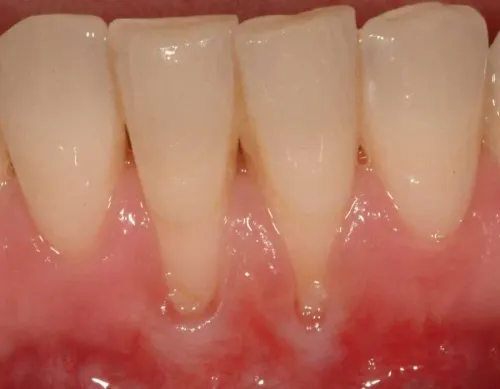
•Gum infections or periodontal abscess: Localized gum pain, swelling, and discharge may signal a deep infection needing urgent treatment.
How to know the pain is urgent
•Severe, unrelenting pain that doesn’t ease with over-the-counter painkillers.
•Pain accompanied by swelling in your face, jaw, or neck.
•High fever with dental pain or a foul taste or smell in your mouth.
•Difficulty breathing or swallowing along with tooth pain.
•Bleeding after trauma - a knocked-out or fractured tooth or after a dental procedure.
•Pain that causes sleep disruption or prevents eating and drinking.
•Sudden sharp pain when biting that persists.
Common causes of urgent tooth pain
•Dental abscess infection: Often causes throbbing pain, swelling, fever, and a bad taste. This needs prompt treatment to stop spread to surrounding tissues.
•Advanced tooth decay and pulpitis: Deep cavities can inflame or infect the nerve, producing severe pain and sensitivity to hot cold.
•Cracked or fractured tooth: A cracked tooth can cause sharp pain on biting and may expose the inner nerve.
•Traumatic injury: A knocked-out or avulsed tooth or broken tooth requires immediate care — faster treatment improves the chance of saving the tooth.
•Pericoronitis and impacted wisdom teeth: Pain, swelling, and difficulty opening the mouth are common.
•Gum infections or periodontal abscess: Localized gum pain, swelling, and discharge may signal a deep infection needing urgent treatment.
Keywords