Pregnancy brings many joyful changes — and some unexpected dental problems. Hormonal shifts can increase your risk of gum disease, tooth decay, and oral discomfort.
Why oral care matters in pregnancy
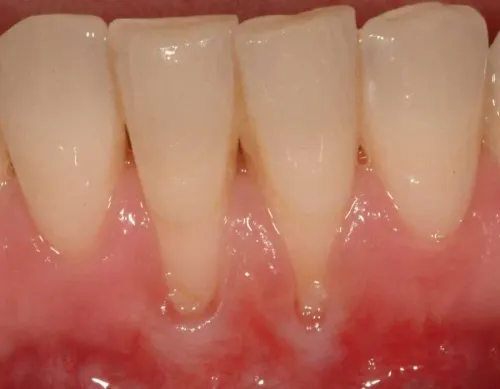
•Hormonal changes make gums more sensitive and inflamed (pregnancy gingivitis), which affects up to 60–75% of pregnant women.
•Untreated gum disease is linked to low birth weight in some studies.
•Morning sickness and increased snacking can raise acid exposure and cavity risk.
Common symptoms pregnant patients report
•Red, swollen, or bleeding gums when brushing or flossing.
•Sore or tender gums, especially in the second trimester.
•Increased sensitivity to hot, cold, or sweet foods.
•More frequent cavities due to dietary changes and nausea-related brushing avoidance.
•Bad breath or a metallic taste.
Practical oral hygiene tips during pregnancy
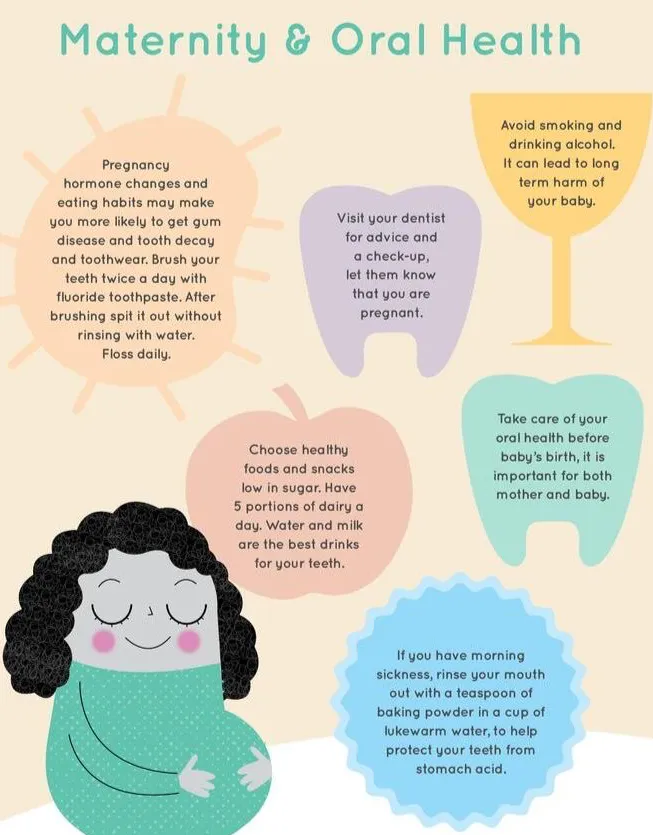
•Brush twice daily with fluoride toothpaste. Use a soft-bristled brush and gentle circular motions to reduce gum irritation.
•Floss daily. Flossing removes plaque between teeth where brushing can’t reach and reduces bleeding and inflammation.
•Rinse after vomiting. If you experience morning sickness, rinse your mouth with plain water or a teaspoon of baking soda dissolved in a cup of water to neutralize stomach acid. Wait 30 minutes before brushing to avoid enamel damage.
•Keep sugary snacks and frequent grazing to a minimum. Choose tooth-friendly snacks like plain yogurt, cheese, nuts, or fruit slices.
•Use a fluoride mouthwash if recommended by your dentist. This helps strengthen enamel and reduce cavity risk.
•Stay hydrated and chew sugar-free gum with xylitol to stimulate saliva and neutralize acids (check with your dentist first).
•Maintain regular dental appointments. Routine cleanings and check-ups are safe during pregnancy — the second trimester is often the most comfortable time for dental work.
•Tell your dentist you’re pregnant. Your dental team will adjust X-ray protocols and treatment timing as needed to ensure safety.
When to see a dentist urgently
•Persistent bleeding, pain, or swelling that doesn’t improve with home care.
•A painful toothache, abscess, or fever.
•Severe nausea or vomiting that affects your ability to brush and eat.
Book an appointment today for a pregnancy dental check-up and personalized oral care plan. Protecting your oral health protects your baby’s health too.
Why oral care matters in pregnancy
•Hormonal changes make gums more sensitive and inflamed (pregnancy gingivitis), which affects up to 60–75% of pregnant women.
•Untreated gum disease is linked to low birth weight in some studies.
•Morning sickness and increased snacking can raise acid exposure and cavity risk.
Common symptoms pregnant patients report
•Red, swollen, or bleeding gums when brushing or flossing.
•Sore or tender gums, especially in the second trimester.
•Increased sensitivity to hot, cold, or sweet foods.
•More frequent cavities due to dietary changes and nausea-related brushing avoidance.
•Bad breath or a metallic taste.
Practical oral hygiene tips during pregnancy
•Brush twice daily with fluoride toothpaste. Use a soft-bristled brush and gentle circular motions to reduce gum irritation.
•Floss daily. Flossing removes plaque between teeth where brushing can’t reach and reduces bleeding and inflammation.
•Rinse after vomiting. If you experience morning sickness, rinse your mouth with plain water or a teaspoon of baking soda dissolved in a cup of water to neutralize stomach acid. Wait 30 minutes before brushing to avoid enamel damage.
•Keep sugary snacks and frequent grazing to a minimum. Choose tooth-friendly snacks like plain yogurt, cheese, nuts, or fruit slices.
•Use a fluoride mouthwash if recommended by your dentist. This helps strengthen enamel and reduce cavity risk.
•Stay hydrated and chew sugar-free gum with xylitol to stimulate saliva and neutralize acids (check with your dentist first).
•Maintain regular dental appointments. Routine cleanings and check-ups are safe during pregnancy — the second trimester is often the most comfortable time for dental work.
•Tell your dentist you’re pregnant. Your dental team will adjust X-ray protocols and treatment timing as needed to ensure safety.
When to see a dentist urgently
•Persistent bleeding, pain, or swelling that doesn’t improve with home care.
•A painful toothache, abscess, or fever.
•Severe nausea or vomiting that affects your ability to brush and eat.
Book an appointment today for a pregnancy dental check-up and personalized oral care plan. Protecting your oral health protects your baby’s health too.
Keywords