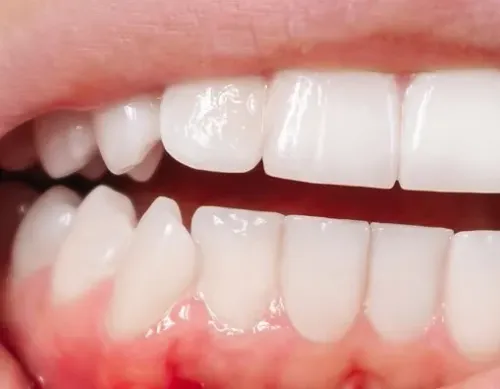
A midline diastema is a visible gap between your two upper front teeth. While common in children, a persistent gap in adults can affect confidence and may signal underlying dental issues.
Common Symptoms & Problems
Patients with midline diastema often report:
•A noticeable space between central incisors - typically less than 0.5 mm
•Food trapping in the gap leading to discomfort or bad breath
•Self-consciousness about smiling or speaking in social or professional settings
•In some cases a feeling of tooth looseness if gum disease is the cause
What Causes Midline Diastema in Adults?
Midline gaps are usually multifactorial. Common causes include:
•Enlarged labial frenum- thick tissue band between lip and gum– seen in - 25% of cases
•Genetics or heredity - 17% of cases
•Microdontia -smaller-than-average teeth
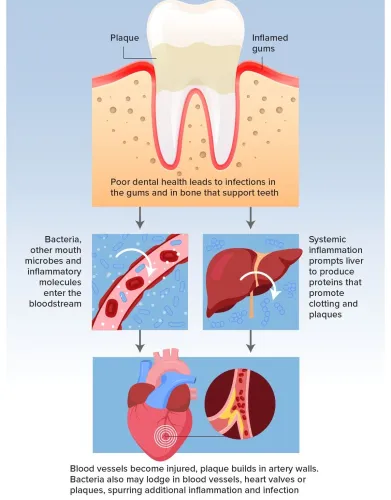
•Periodontal or gum disease which can cause teeth to shift
•Habits like tongue thrusting or thumb sucking
Treatment Options Available
Modern dentistry offers several effective minimally invasive solutions:
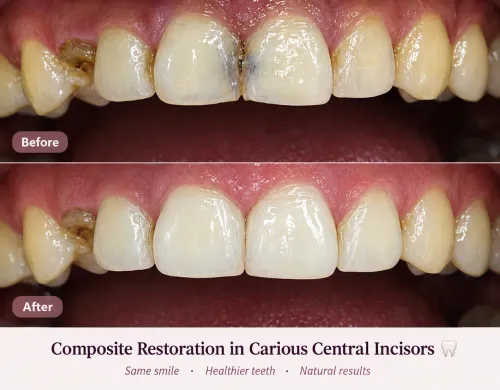
•Composite bonding: Ideal for small-to-moderate gaps; completed in one visit reversible and cost-effective
•Porcelain veneers: For larger gaps or when colour or shape correction is also needed
•Orthodontics - clear aligners or braces: Best for complex cases or when bite alignment is involved
•Frenectomy: Minor surgical procedure if an enlarged frenum is the primary cause
Common Symptoms & Problems
Patients with midline diastema often report:
•A noticeable space between central incisors - typically less than 0.5 mm
•Food trapping in the gap leading to discomfort or bad breath
•Self-consciousness about smiling or speaking in social or professional settings
•In some cases a feeling of tooth looseness if gum disease is the cause
What Causes Midline Diastema in Adults?
Midline gaps are usually multifactorial. Common causes include:
•Enlarged labial frenum- thick tissue band between lip and gum– seen in - 25% of cases
•Genetics or heredity - 17% of cases
•Microdontia -smaller-than-average teeth
•Periodontal or gum disease which can cause teeth to shift
•Habits like tongue thrusting or thumb sucking
Treatment Options Available
Modern dentistry offers several effective minimally invasive solutions:
•Composite bonding: Ideal for small-to-moderate gaps; completed in one visit reversible and cost-effective
•Porcelain veneers: For larger gaps or when colour or shape correction is also needed
•Orthodontics - clear aligners or braces: Best for complex cases or when bite alignment is involved
•Frenectomy: Minor surgical procedure if an enlarged frenum is the primary cause
Keywords