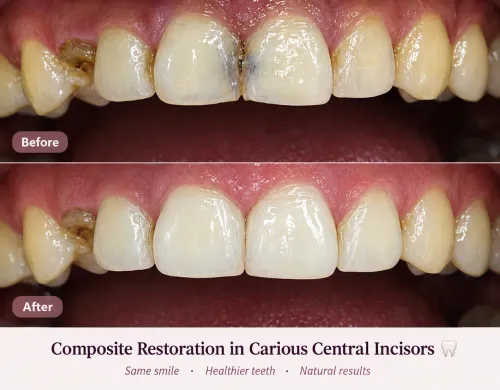
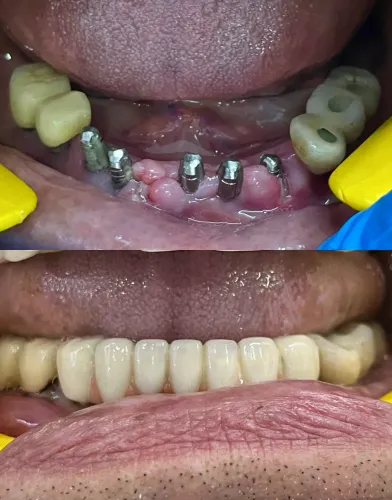
When a tooth is lost, the jawbone beneath it no longer receives stimulation from the root and begins to shrink—up to 50% of bone width can be lost in the first year. Neighboring teeth gradually tilt or drift into the gap, while the opposing tooth may over-erupt, disrupting your bite alignment. This misalignment places uneven pressure on your temporomandibular joints (TMJ), often leading to jaw pain, clicking, tension headaches, or neck stiffness.
Common Symptoms Patients Notice
•Difficulty chewing certain foods or avoiding hard items on one side
•Shifting or crowding of teeth near the gap
•Speech changes like lisping or slurring, especially with front-tooth loss
•Food trapping in the gap, causing bad breath or gum irritation
•Sunken facial appearance or premature aging around the mouth over time.
Why Timely Replacement Matters
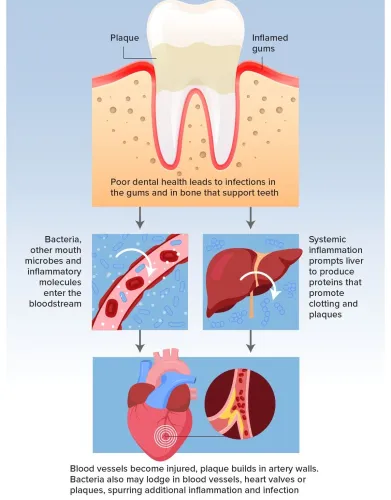
Ignoring a missing tooth can narrow your diet, strain remaining teeth, and increase risks of decay, gum disease, and even systemic conditions like cardiovascular issues. For adults aged 38–65, early intervention with options like dental implants, bridges, or dentures preserves bone, restores function, and protects your long-term health.
Common Symptoms Patients Notice
•Difficulty chewing certain foods or avoiding hard items on one side
•Shifting or crowding of teeth near the gap
•Speech changes like lisping or slurring, especially with front-tooth loss
•Food trapping in the gap, causing bad breath or gum irritation
•Sunken facial appearance or premature aging around the mouth over time.
Why Timely Replacement Matters
Ignoring a missing tooth can narrow your diet, strain remaining teeth, and increase risks of decay, gum disease, and even systemic conditions like cardiovascular issues. For adults aged 38–65, early intervention with options like dental implants, bridges, or dentures preserves bone, restores function, and protects your long-term health.
Keywords