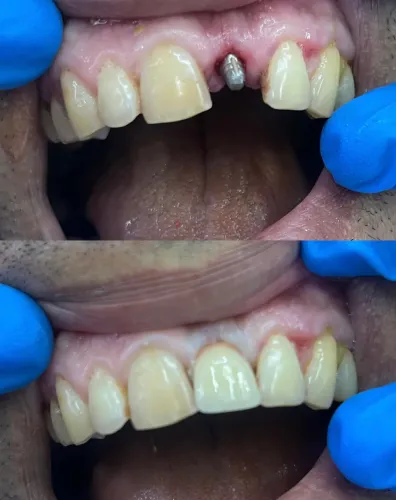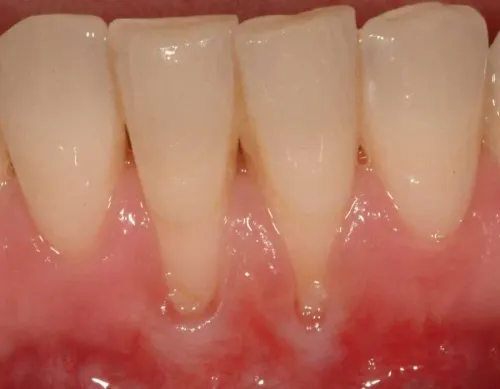
Missing teeth can affect your smile, chewing ability, speech, and confidence. Dental implants are a long-term solution that looks and functions like natural teeth — but are they right for you? This guide explains who makes a good candidate for dental implants, common symptoms that lead patients to consider implants.
Why patients consider dental implants
• Difficulty chewing or pain when eating after a tooth is lost.
• Visible gaps that make you self-conscious about your smile.
• Dentures that slip, cause sore spots, or feel unstable.
• Bone loss or changing facial shape due to missing teeth.
• Recurrent problems with root canals, severely broken teeth, or teeth that cannot be saved.
Who is a suitable candidate?
Age: Adults of almost any adult age can get implants. Most patients are between 38–65 years — an age range when tooth loss and failing restorations become more common.
General health: Good overall health is important. Conditions such as uncontrolled diabetes, recent heart attack, or certain immune disorders may affect healing and implant success. Controlled chronic conditions (for example, well-managed diabetes or hypertension) do not automatically rule out implants.
Oral health: Candidates should have reasonably healthy gums. Active gum disease (periodontitis) needs treatment before implant placement. Adequate bone volume at the implant site is required; if bone is thin or deficient, bone grafting or sinus lift procedures can often create a stable foundation.
Lifestyle factors: Smoking and heavy alcohol use increase the risk of implant failure and slow healing. Quitting smoking before and after surgery improves outcomes.
Expectations and commitment: Dental implants require several visits over a few months and good oral hygiene at home. Candidates should be committed to follow-up appointments and daily care to ensure long-term success.
Symptoms and problems that indicate implants may be needed
• Loose or failing tooth that cannot be saved.
• Multiple missing teeth causing difficulty eating or speaking.
• Problems with removable dentures: discomfort, poor fit, or frequent adjustments.
• Progressive jawbone shrinkage or changes in facial appearance after tooth loss.
• Repeated infections or pain from old restorations.
Benefits of implants
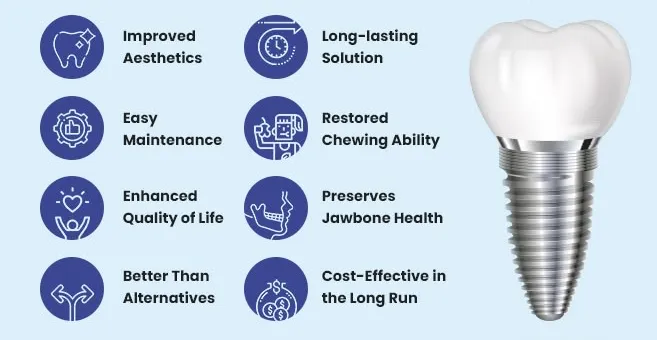
• Natural appearance and improved self-confidence.
• Stable chewing function like natural teeth.
• Preserve jawbone and facial structure by stimulating bone.
• Long lifespan with proper care — often decades.
What to expect at your dental consultation
• Thorough dental exam, medical history review, and X-rays or CBCT scan to assess bone.
• Discussion of treatment options (single implant, multiple implants, implant-supported dentures).
• Personalized plan including timelines, costs, and any preparatory procedures like bone grafts.
• Clear aftercare instructions and follow-up for long-term maintenance.
Ready to discuss dental implants?
If you live near Lajpat Nagar and are experiencing tooth loss, loose dentures, or difficulty eating, book a consultation at Madan’s Dental Care Clinic. Our team evaluates your health, explains all options, and offers treatments tailored to your needs and budget.
Why patients consider dental implants
• Difficulty chewing or pain when eating after a tooth is lost.
• Visible gaps that make you self-conscious about your smile.
• Dentures that slip, cause sore spots, or feel unstable.
• Bone loss or changing facial shape due to missing teeth.
• Recurrent problems with root canals, severely broken teeth, or teeth that cannot be saved.
Who is a suitable candidate?
Age: Adults of almost any adult age can get implants. Most patients are between 38–65 years — an age range when tooth loss and failing restorations become more common.
General health: Good overall health is important. Conditions such as uncontrolled diabetes, recent heart attack, or certain immune disorders may affect healing and implant success. Controlled chronic conditions (for example, well-managed diabetes or hypertension) do not automatically rule out implants.
Oral health: Candidates should have reasonably healthy gums. Active gum disease (periodontitis) needs treatment before implant placement. Adequate bone volume at the implant site is required; if bone is thin or deficient, bone grafting or sinus lift procedures can often create a stable foundation.
Lifestyle factors: Smoking and heavy alcohol use increase the risk of implant failure and slow healing. Quitting smoking before and after surgery improves outcomes.
Expectations and commitment: Dental implants require several visits over a few months and good oral hygiene at home. Candidates should be committed to follow-up appointments and daily care to ensure long-term success.
Symptoms and problems that indicate implants may be needed
• Loose or failing tooth that cannot be saved.
• Multiple missing teeth causing difficulty eating or speaking.
• Problems with removable dentures: discomfort, poor fit, or frequent adjustments.
• Progressive jawbone shrinkage or changes in facial appearance after tooth loss.
• Repeated infections or pain from old restorations.
Benefits of implants
• Natural appearance and improved self-confidence.
• Stable chewing function like natural teeth.
• Preserve jawbone and facial structure by stimulating bone.
• Long lifespan with proper care — often decades.
What to expect at your dental consultation
• Thorough dental exam, medical history review, and X-rays or CBCT scan to assess bone.
• Discussion of treatment options (single implant, multiple implants, implant-supported dentures).
• Personalized plan including timelines, costs, and any preparatory procedures like bone grafts.
• Clear aftercare instructions and follow-up for long-term maintenance.
Ready to discuss dental implants?
If you live near Lajpat Nagar and are experiencing tooth loss, loose dentures, or difficulty eating, book a consultation at Madan’s Dental Care Clinic. Our team evaluates your health, explains all options, and offers treatments tailored to your needs and budget.
Keywords