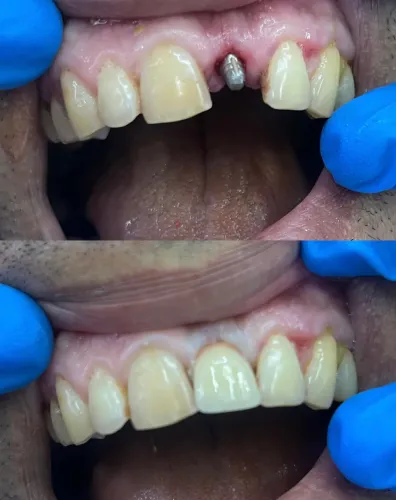
Good oral care prevents cavities, gum disease, bad breath and costly dental treatments. For adults aged 38–65, good brushing and flossing habits are especially important because gum recession, worn enamel, and tooth sensitivity become more common with age. Follow these simple, evidence-based steps to protect your smile.
Why brushing and flossing both matter ?
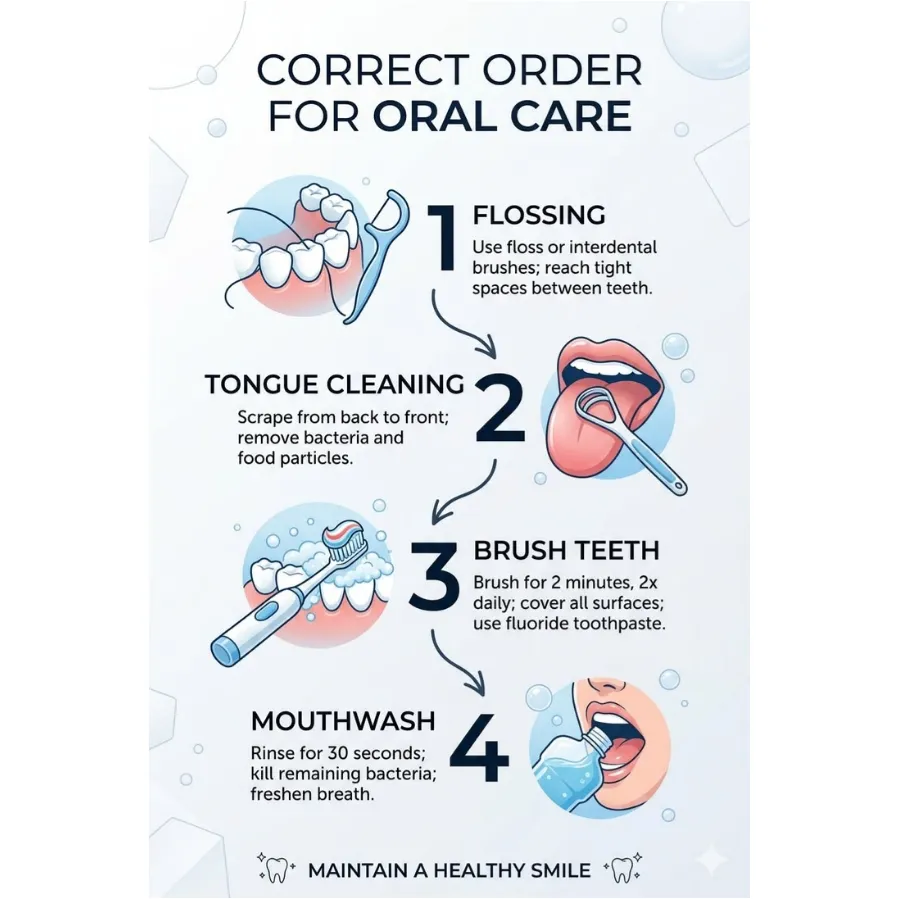
Brushing removes plaque from tooth surfaces, while flossing clears the plaque and food particles between teeth and under the gumline—areas a brush can’t reach. Skipping flossing allows bacteria to build up and can lead to gum inflammation (gingivitis), periodontitis, tooth decay, and bad breath.
How to brush correctly ?
Choose the right tools: Use a soft-bristled brush (manual or electric) and fluoride toothpaste. Electric brushes are especially helpful for people with limited wrist movement or those who want a more consistent clean.
Timing and frequency: Brush twice daily for two minutes each time—once in the morning and once before bed.
Technique: Hold the brush at a 45° angle to the gumline. Use gentle, short strokes (or let the electric brush do the motion). Brush outer, inner and chewing surfaces. For front teeth, use vertical strokes with the tip of the brush.
Don’t overdo it: Avoid aggressive scrubbing. Hard brushing can wear enamel and cause gum recession, increasing sensitivity.
Rinse and replace: Rinse your brush after use and replace it every 3 months or sooner if bristles fray. Replace sooner after illness.
How to floss correctly
Choose your method: Traditional floss, floss picks, interdental brushes, or water flossers—pick one you’ll use consistently. Interdental brushes can be easier for people with larger spaces; floss or water flossers work well for tight contacts.
Technique: Use about 18 inches of floss, wrap it around your fingers, and gently slide it between teeth. Curve the floss into a C-shape against one tooth, move it up and down to the gumline, and repeat on the adjacent tooth. Be gentle to avoid damaging gums.
Frequency: Floss once daily, preferably before bedtime to remove the day’s buildup.
Common symptoms to watch for
Bleeding gums when brushing or flossing—often a sign of inflammation or early gum disease.
Persistent bad breath—could indicate trapped food debris or gum infection.
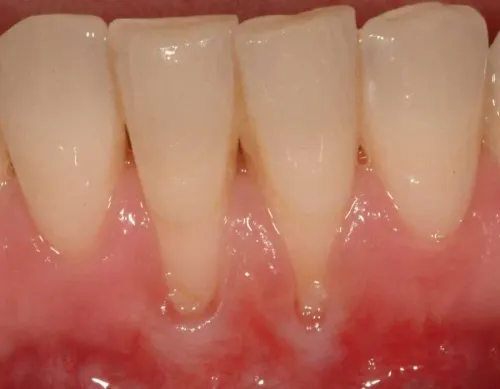
Gum recession or tooth sensitivity—may result from aggressive brushing or long-term gum disease.
Loose teeth, gaps forming, or pus around gums—signs of advanced gum disease; contact us at Madan Multi-speciality Dental Care.
When to see your dentist in South Delhi
If you notice bleeding that doesn’t improve after 1–2 weeks of good oral hygiene, persistent sensitivity, persistent bad breath, or any signs of infection, book an appointment. Regular dental check-ups and professional cleanings every 6–12 months help catch problems early.
Local note for patients near South Delhi
If you live in South Delhi and are looking for gentle, evidence-based dental care, our clinic at Madan Dental provides preventive check-ups, personalized oral hygiene coaching, and professional cleanings tailored to adults.
Call us to schedule an exam or to get a quick demonstration of brushing and flossing techniques that fit your teeth.
And also we treat gum problems and calculus or plaque deposits with advanced equipments.
Visit us at Madan Multi-speciality Dental Care Centre
Call us : 9818331692
Why brushing and flossing both matter ?
Brushing removes plaque from tooth surfaces, while flossing clears the plaque and food particles between teeth and under the gumline—areas a brush can’t reach. Skipping flossing allows bacteria to build up and can lead to gum inflammation (gingivitis), periodontitis, tooth decay, and bad breath.
How to brush correctly ?
Choose the right tools: Use a soft-bristled brush (manual or electric) and fluoride toothpaste. Electric brushes are especially helpful for people with limited wrist movement or those who want a more consistent clean.
Timing and frequency: Brush twice daily for two minutes each time—once in the morning and once before bed.
Technique: Hold the brush at a 45° angle to the gumline. Use gentle, short strokes (or let the electric brush do the motion). Brush outer, inner and chewing surfaces. For front teeth, use vertical strokes with the tip of the brush.
Don’t overdo it: Avoid aggressive scrubbing. Hard brushing can wear enamel and cause gum recession, increasing sensitivity.
Rinse and replace: Rinse your brush after use and replace it every 3 months or sooner if bristles fray. Replace sooner after illness.
How to floss correctly
Choose your method: Traditional floss, floss picks, interdental brushes, or water flossers—pick one you’ll use consistently. Interdental brushes can be easier for people with larger spaces; floss or water flossers work well for tight contacts.
Technique: Use about 18 inches of floss, wrap it around your fingers, and gently slide it between teeth. Curve the floss into a C-shape against one tooth, move it up and down to the gumline, and repeat on the adjacent tooth. Be gentle to avoid damaging gums.
Frequency: Floss once daily, preferably before bedtime to remove the day’s buildup.
Common symptoms to watch for
Bleeding gums when brushing or flossing—often a sign of inflammation or early gum disease.
Persistent bad breath—could indicate trapped food debris or gum infection.
Gum recession or tooth sensitivity—may result from aggressive brushing or long-term gum disease.
Loose teeth, gaps forming, or pus around gums—signs of advanced gum disease; contact us at Madan Multi-speciality Dental Care.
When to see your dentist in South Delhi
If you notice bleeding that doesn’t improve after 1–2 weeks of good oral hygiene, persistent sensitivity, persistent bad breath, or any signs of infection, book an appointment. Regular dental check-ups and professional cleanings every 6–12 months help catch problems early.
Local note for patients near South Delhi
If you live in South Delhi and are looking for gentle, evidence-based dental care, our clinic at Madan Dental provides preventive check-ups, personalized oral hygiene coaching, and professional cleanings tailored to adults.
Call us to schedule an exam or to get a quick demonstration of brushing and flossing techniques that fit your teeth.
And also we treat gum problems and calculus or plaque deposits with advanced equipments.
Visit us at Madan Multi-speciality Dental Care Centre
Call us : 9818331692
Keywords