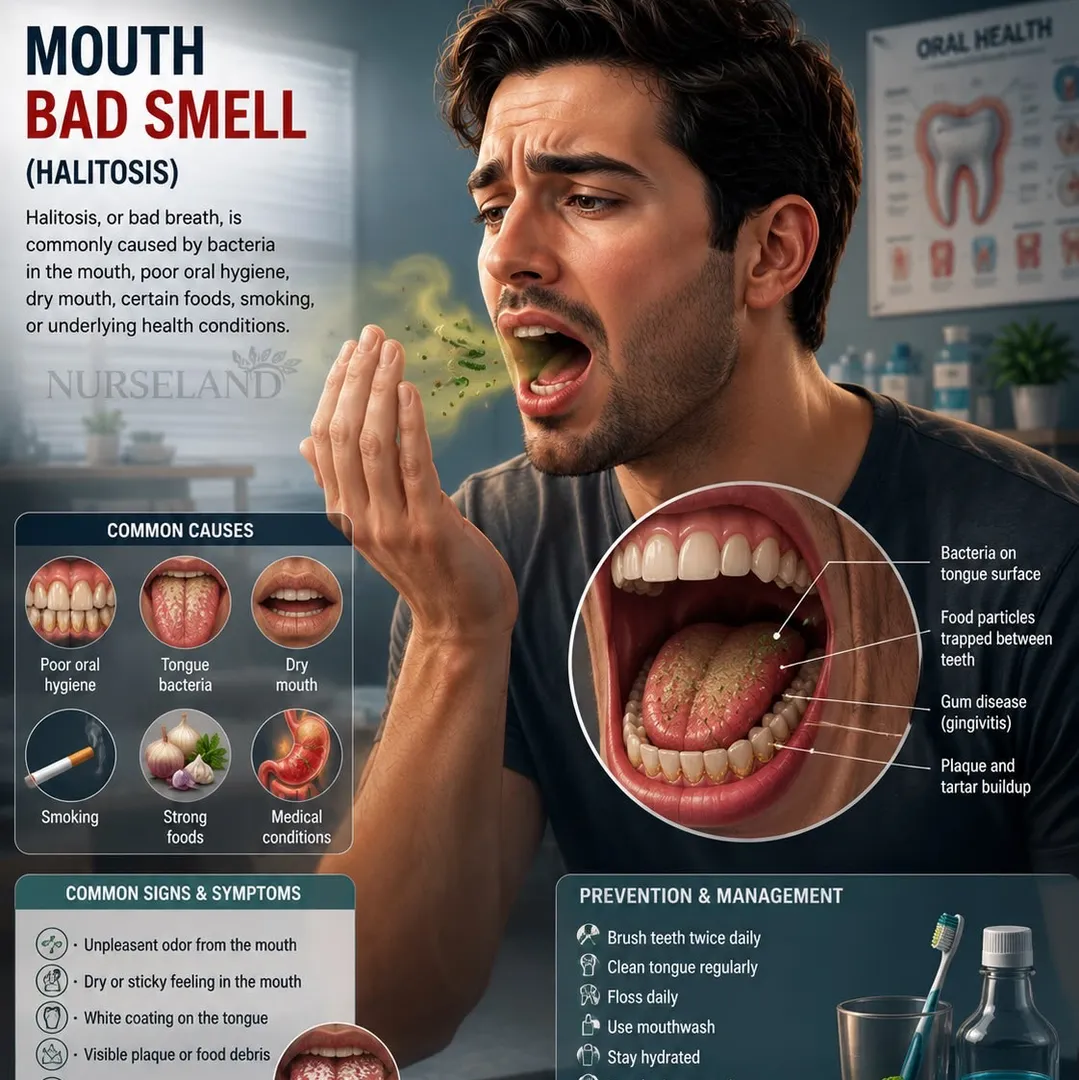
Bad breath, medically called as halitosis, is a common problem that affects confidence, social life and overall health
What causes bad breath?
• Poor oral hygiene: Food debris and plaque stuck between teeth and around the gumline feed bacteria that produce foul-smelling compounds.
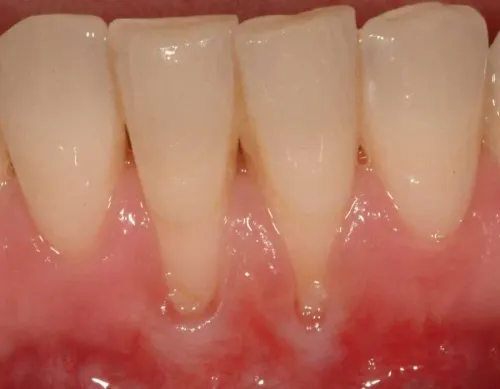
• Gum disease (periodontitis and gingivitis): Infected gums create pockets where bacteria thrive and release malodorous gases.
• Tongue coating: Bacteria and dead cells on the back of the tongue are a frequent source of persistent odor.
• Dry mouth (xerostomia): Low saliva flow reduces the mouth’s natural cleaning action, allowing odor-causing bacteria to multiply.
• Dental issues: Cavities, poorly fitting crowns or bridges, and abscesses can all produce bad smells.
• Systemic causes: Conditions such as diabetes, chronic sinusitis, throat infections, acid reflux (GERD), and liver or kidney problems can cause or worsen halitosis.
• Diet and habits: Strong-smelling foods (garlic, onions), smoking, and alcohol consumption contribute to temporary or long-term bad breath.
• Medications: Some drugs reduce saliva or release chemicals that cause mouth odor.
Common symptoms patients notice
• Persistent bad smell from the mouth despite brushing.
• A bad taste in the mouth (metallic, sour, or bitter).
• Coated tongue, especially at the back.
• Dry mouth and frequent thirst.
• Loose teeth or bleeding gums (signs of gum disease).
• Social discomfort: avoiding close conversations, anxiety in meetings or family gatherings.
When to see a dentist
• If bad breath persists for more than two weeks despite good home care.
• If you have bleeding gums, loose teeth, tooth pain, or signs of infection.
• If mouthwash only masks the smell temporarily.
• If you have dry mouth, chronic sinus or throat problems, or underlying health conditions like diabetes.
Home care and quick fixes
• Brush twice daily and floss once a day to remove trapped food and plaque.
• Clean your tongue daily with a tongue scraper or brush to remove coating.
• Use alcohol-free antimicrobial mouthwash when recommended by your dentist.
• Stay hydrated to prevent dry mouth; chew sugar-free gum with xylitol to stimulate saliva.
• Avoid tobacco and reduce consumption of onions, garlic, alcohol, and strong spices before social events.
• Replace your toothbrush every 3 months or after infections.
Professional diagnosis and treatments
• Dental exam and cleaning: A thorough check-up, professional scaling and root planing remove plaque, calculus and infected tissue causing odor.
• Periodontal treatment: Deep cleaning, local antibiotics, or periodontal surgery for advanced gum disease.
• Restorative care: Treat cavities, replace failing crowns or bridges, and drain dental abscesses that cause smell.
• Tongue and saliva management: Advice on tongue cleaning, prescription mouth rinses, and saliva substitutes for chronic dry mouth.
• Medical referrals: If the dentist suspects systemic causes (sinusitis, GERD, diabetes), they will coordinate with ENT specialists, gastroenterologists, or physicians for further tests.
• Maintenance plan: Regular dental visits every 3–6 months, tailored oral hygiene instruction, and personalized preventive care.
If you live near Lajpat Nagar and are struggling with persistent bad breath, book a consultation at MADAN’s Multispeciality Dental Care Centre. Early diagnosis helps treat the cause, not just mask the smell — restoring your oral health and confidence.
What causes bad breath?
• Poor oral hygiene: Food debris and plaque stuck between teeth and around the gumline feed bacteria that produce foul-smelling compounds.
• Gum disease (periodontitis and gingivitis): Infected gums create pockets where bacteria thrive and release malodorous gases.
• Tongue coating: Bacteria and dead cells on the back of the tongue are a frequent source of persistent odor.
• Dry mouth (xerostomia): Low saliva flow reduces the mouth’s natural cleaning action, allowing odor-causing bacteria to multiply.
• Dental issues: Cavities, poorly fitting crowns or bridges, and abscesses can all produce bad smells.
• Systemic causes: Conditions such as diabetes, chronic sinusitis, throat infections, acid reflux (GERD), and liver or kidney problems can cause or worsen halitosis.
• Diet and habits: Strong-smelling foods (garlic, onions), smoking, and alcohol consumption contribute to temporary or long-term bad breath.
• Medications: Some drugs reduce saliva or release chemicals that cause mouth odor.
Common symptoms patients notice
• Persistent bad smell from the mouth despite brushing.
• A bad taste in the mouth (metallic, sour, or bitter).
• Coated tongue, especially at the back.
• Dry mouth and frequent thirst.
• Loose teeth or bleeding gums (signs of gum disease).
• Social discomfort: avoiding close conversations, anxiety in meetings or family gatherings.
When to see a dentist
• If bad breath persists for more than two weeks despite good home care.
• If you have bleeding gums, loose teeth, tooth pain, or signs of infection.
• If mouthwash only masks the smell temporarily.
• If you have dry mouth, chronic sinus or throat problems, or underlying health conditions like diabetes.
Home care and quick fixes
• Brush twice daily and floss once a day to remove trapped food and plaque.
• Clean your tongue daily with a tongue scraper or brush to remove coating.
• Use alcohol-free antimicrobial mouthwash when recommended by your dentist.
• Stay hydrated to prevent dry mouth; chew sugar-free gum with xylitol to stimulate saliva.
• Avoid tobacco and reduce consumption of onions, garlic, alcohol, and strong spices before social events.
• Replace your toothbrush every 3 months or after infections.
Professional diagnosis and treatments
• Dental exam and cleaning: A thorough check-up, professional scaling and root planing remove plaque, calculus and infected tissue causing odor.
• Periodontal treatment: Deep cleaning, local antibiotics, or periodontal surgery for advanced gum disease.
• Restorative care: Treat cavities, replace failing crowns or bridges, and drain dental abscesses that cause smell.
• Tongue and saliva management: Advice on tongue cleaning, prescription mouth rinses, and saliva substitutes for chronic dry mouth.
• Medical referrals: If the dentist suspects systemic causes (sinusitis, GERD, diabetes), they will coordinate with ENT specialists, gastroenterologists, or physicians for further tests.
• Maintenance plan: Regular dental visits every 3–6 months, tailored oral hygiene instruction, and personalized preventive care.
If you live near Lajpat Nagar and are struggling with persistent bad breath, book a consultation at MADAN’s Multispeciality Dental Care Centre. Early diagnosis helps treat the cause, not just mask the smell — restoring your oral health and confidence.
Keywords