Deciding whether your child needs braces can feel stressful.
As a parent, you want the right care at the right time so your child’s smile develops healthily.
This guide explains common signs that a child may need orthodontic treatment, recommended ages for assessment, and what to expect when you visit a local dentist.
When to have the first orthodontic check
Orthodontic guidelines recommend a screening by age 7. By this age, a mix of baby and permanent teeth lets a dentist spot developing bite problems early. Early assessment doesn’t always mean immediate treatment, but it helps identify issues that benefit from monitoring or early intervention.
Common signs your child may need braces
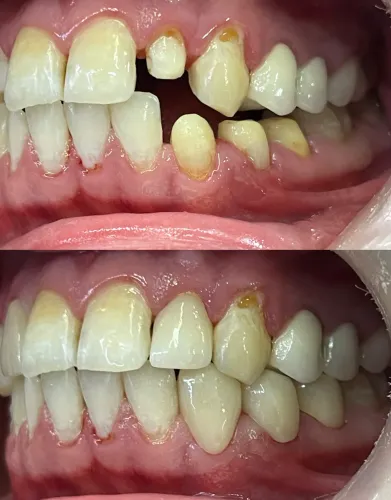
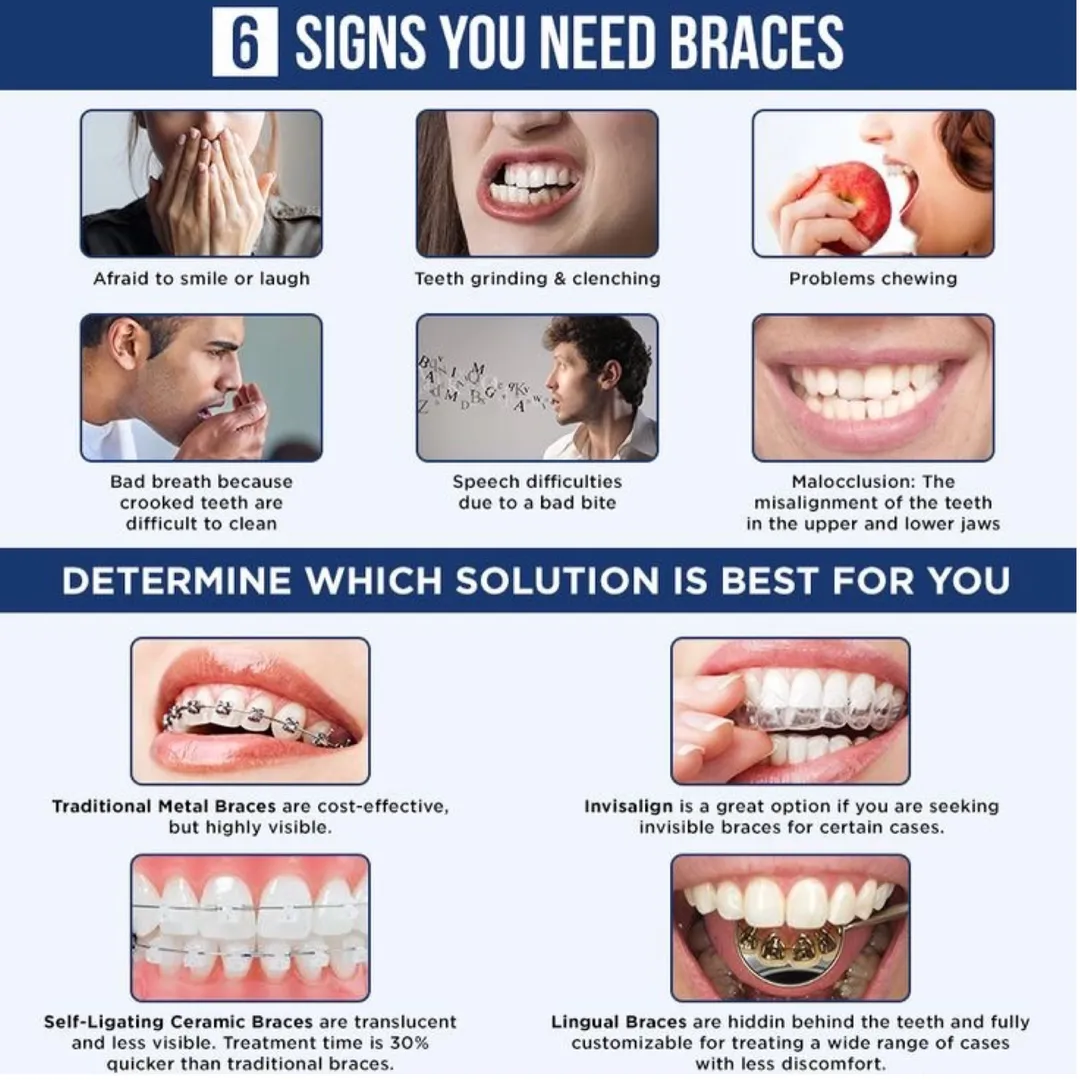
• Crowded or overlapping teeth: Limited space causes teeth to twist or overlap, increasing decay and gum problems.
• Protruding front teeth: Upper front teeth that stick out are more likely to be injured and can affect speech or self-esteem.
• Crossbite, underbite, or overbite: Misaligned bites can cause chewing difficulties, uneven tooth wear, jaw pain, or speech problems.
• Difficulty chewing or biting: If your child favors one side, drops food, or avoids certain textures, a bite problem may be present.
• Speech difficulties: Lisping or unclear sounds can result from misaligned teeth or jaw position.
• Early or late loss of baby teeth: Losing baby teeth too early or too late can affect how permanent teeth erupt and may lead to crowding or spacing.
• Mouth breathing or thumb-sucking beyond age 4–5: These habits can change jaw growth and tooth position over time.
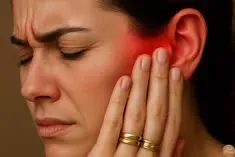
• Jaw pain or clicking: Pain, grinding, or jaw noises when opening and closing can signal TMJ or alignment issues.
Best ages and treatment approaches
• Early (interceptive) treatment: Usually between ages 7–10. Used for guiding jaw growth, correcting crossbites, or making space for incoming permanent teeth.
• Traditional orthodontics: Most children receive braces between ages 11–14 after most permanent teeth have erupted. Brackets and wires straighten teeth and correct bite.
• Alternatives: Clear aligners are available for some teens. Removable appliances, retainers, and habit-correcting devices are other options.
What to expect at your first visit at Madan’s Multispeciality Dental Care Centre?
• Clinical exam and X-rays to assess tooth development and jaw alignment.
• Discussion of timing: monitor, start early treatment, or wait for full orthodontic care.
• A clear treatment plan with estimated duration, costs, and follow-up schedule.
Why timely care matters
Untreated orthodontic issues can lead to tooth decay, gum disease, speech problems, uneven tooth wear, jaw pain, and lowered confidence. Early detection often reduces the length or complexity of later treatment.
Looking for an orthodontic check near SouthEast Delhi?
If you live near Lajpat Nagar and are worried about your child’s teeth, book an orthodontic assessment.
Early advice gives you options and peace of mind.
Call 9818224469 or visit www.madandental.in to schedule an appointment with a specialist who understands local families and offers modern, child-friendly care
As a parent, you want the right care at the right time so your child’s smile develops healthily.
This guide explains common signs that a child may need orthodontic treatment, recommended ages for assessment, and what to expect when you visit a local dentist.
When to have the first orthodontic check
Orthodontic guidelines recommend a screening by age 7. By this age, a mix of baby and permanent teeth lets a dentist spot developing bite problems early. Early assessment doesn’t always mean immediate treatment, but it helps identify issues that benefit from monitoring or early intervention.
Common signs your child may need braces
• Crowded or overlapping teeth: Limited space causes teeth to twist or overlap, increasing decay and gum problems.
• Protruding front teeth: Upper front teeth that stick out are more likely to be injured and can affect speech or self-esteem.
• Crossbite, underbite, or overbite: Misaligned bites can cause chewing difficulties, uneven tooth wear, jaw pain, or speech problems.
• Difficulty chewing or biting: If your child favors one side, drops food, or avoids certain textures, a bite problem may be present.
• Speech difficulties: Lisping or unclear sounds can result from misaligned teeth or jaw position.
• Early or late loss of baby teeth: Losing baby teeth too early or too late can affect how permanent teeth erupt and may lead to crowding or spacing.
• Mouth breathing or thumb-sucking beyond age 4–5: These habits can change jaw growth and tooth position over time.
• Jaw pain or clicking: Pain, grinding, or jaw noises when opening and closing can signal TMJ or alignment issues.
Best ages and treatment approaches
• Early (interceptive) treatment: Usually between ages 7–10. Used for guiding jaw growth, correcting crossbites, or making space for incoming permanent teeth.
• Traditional orthodontics: Most children receive braces between ages 11–14 after most permanent teeth have erupted. Brackets and wires straighten teeth and correct bite.
• Alternatives: Clear aligners are available for some teens. Removable appliances, retainers, and habit-correcting devices are other options.
What to expect at your first visit at Madan’s Multispeciality Dental Care Centre?
• Clinical exam and X-rays to assess tooth development and jaw alignment.
• Discussion of timing: monitor, start early treatment, or wait for full orthodontic care.
• A clear treatment plan with estimated duration, costs, and follow-up schedule.
Why timely care matters
Untreated orthodontic issues can lead to tooth decay, gum disease, speech problems, uneven tooth wear, jaw pain, and lowered confidence. Early detection often reduces the length or complexity of later treatment.
Looking for an orthodontic check near SouthEast Delhi?
If you live near Lajpat Nagar and are worried about your child’s teeth, book an orthodontic assessment.
Early advice gives you options and peace of mind.
Call 9818224469 or visit www.madandental.in to schedule an appointment with a specialist who understands local families and offers modern, child-friendly care
Keywords