Tooth cavities (dental caries) are one of the most common problems adults face. If you live near Lajpat Nagar and are aged 38–65, understanding how cavities start and what you can do to stop them will help keep your smile healthy and avoid painful treatment later.
What is a cavity?
A cavity is a small hole in the tooth caused by acid damage to the hard outer layer (enamel). If untreated, it can reach the inner layer (dentin) and the nerve, causing pain and infection.
How cavities develop
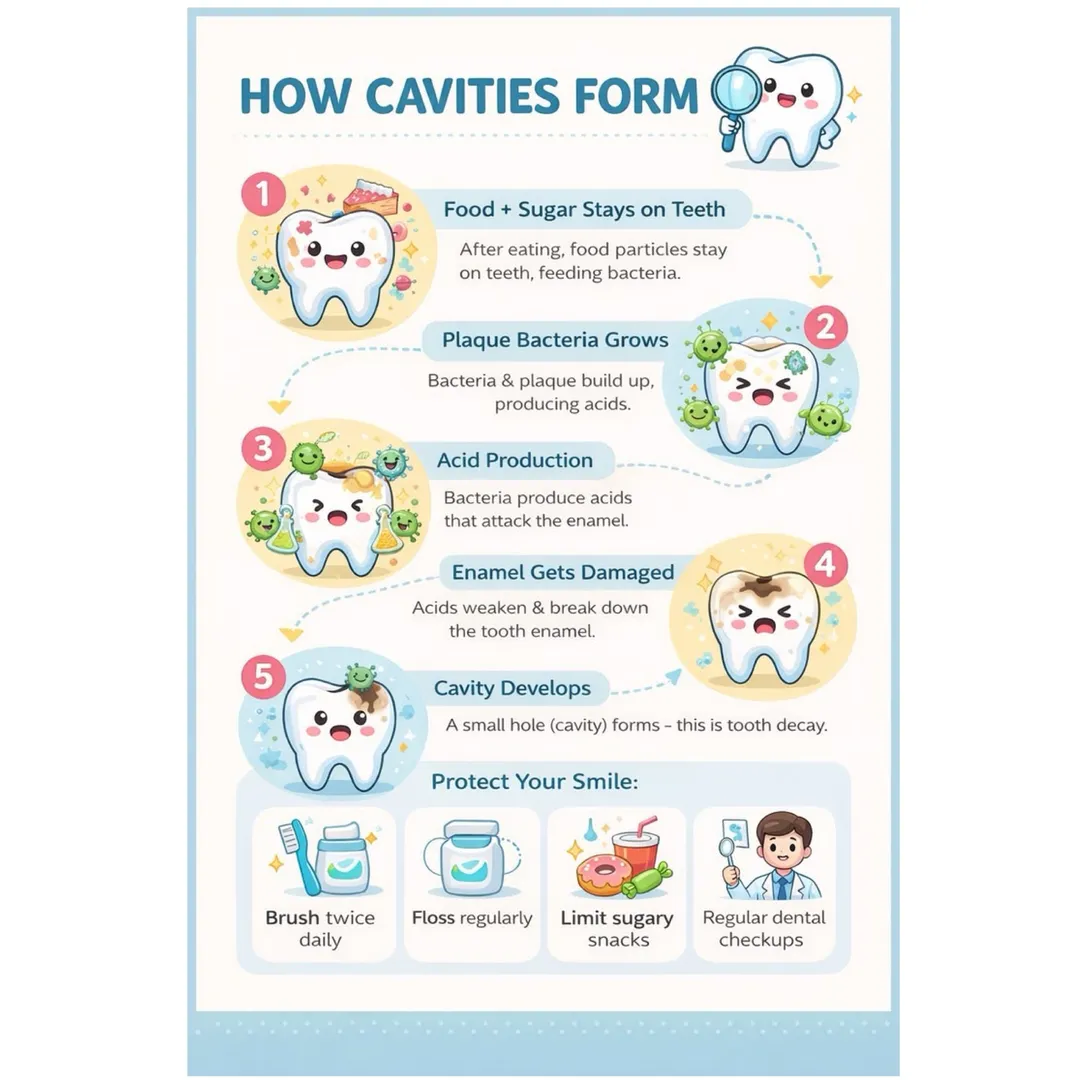
• Bacteria live in your mouth. After you eat, especially sugary or starchy foods, bacteria feed on leftover food and produce acid.
• The acid attacks tooth enamel, slowly dissolving minerals. Over time, this creates a tiny spot that becomes a cavity.
• Repeated acid attacks from frequent snacking, sipping sweet drinks, or poor brushing make the damage worse.
• Older adults may also have gum recession that exposes root surfaces, which are softer than enamel and decay faster.
Common symptoms people notice
• Sensitivity to hot, cold, or sweet foods and drinks.
• A sharp pain when biting down.
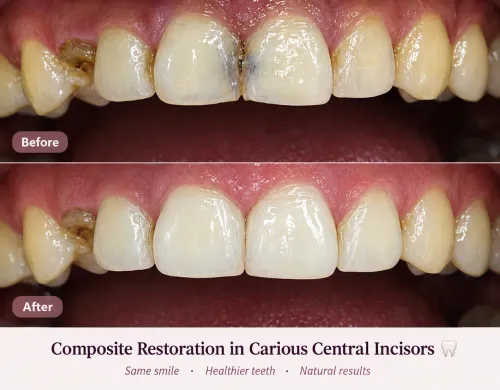
• Visible dark spot or small hole on the tooth.
• Bad breath or bad taste in the mouth.
• In advanced cases: persistent toothache or swelling (sign of infection).
Who’s at higher risk?
• Adults 38–65 may have fillings from earlier life that can leak, making new decay more likely.
• Dry mouth (often from medicines) reduces saliva’s protective effects.
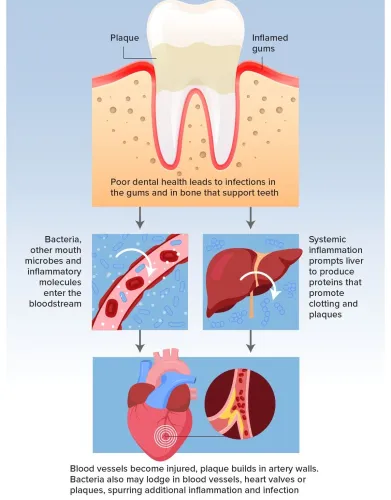
• Poor oral hygiene, frequent snacking, smoking, and diabetes increase risk.
Easy, effective prevention steps
• Brush twice a day with fluoride toothpaste. Fluoride helps repair early enamel damage.
• Clean between teeth daily with floss or interdental brushes to remove trapped food.
• Reduce sugary and starchy snacks. Drink water instead of sweet or fizzy drinks.
• If you have dry mouth, talk to your dentist there are substitutes and strategies to improve saliva flow.
• Visit your dentist regularly for check-ups and professional cleaning. Early decay can often be treated with a simple filling.
• Ask about preventive treatments: fluoride varnish, high-fluoride toothpaste, or dental sealants for at-risk teeth.
When to see a dentist?
If you feel new sensitivity, sharp pain, or notice discoloration, book an appointment promptly. Early treatment is quicker, less expensive, and more comfortable than waiting until the tooth is badly damaged.
Final tip
Small daily habits brushing properly, cleaning between teeth, and cutting down on sweets protect your teeth far better than occasional intensive care.
If you live near Lajpat Nagar or SouthEast Delhi region and want a check-up, schedule a visit to catch problems early and keep your teeth strong and pain-free
Visit Madan’s Multispeciality Dental Care Centre for a cavity checkup today!
Call 9818224469
What is a cavity?
A cavity is a small hole in the tooth caused by acid damage to the hard outer layer (enamel). If untreated, it can reach the inner layer (dentin) and the nerve, causing pain and infection.
How cavities develop
• Bacteria live in your mouth. After you eat, especially sugary or starchy foods, bacteria feed on leftover food and produce acid.
• The acid attacks tooth enamel, slowly dissolving minerals. Over time, this creates a tiny spot that becomes a cavity.
• Repeated acid attacks from frequent snacking, sipping sweet drinks, or poor brushing make the damage worse.
• Older adults may also have gum recession that exposes root surfaces, which are softer than enamel and decay faster.
Common symptoms people notice
• Sensitivity to hot, cold, or sweet foods and drinks.
• A sharp pain when biting down.
• Visible dark spot or small hole on the tooth.
• Bad breath or bad taste in the mouth.
• In advanced cases: persistent toothache or swelling (sign of infection).
Who’s at higher risk?
• Adults 38–65 may have fillings from earlier life that can leak, making new decay more likely.
• Dry mouth (often from medicines) reduces saliva’s protective effects.
• Poor oral hygiene, frequent snacking, smoking, and diabetes increase risk.
Easy, effective prevention steps
• Brush twice a day with fluoride toothpaste. Fluoride helps repair early enamel damage.
• Clean between teeth daily with floss or interdental brushes to remove trapped food.
• Reduce sugary and starchy snacks. Drink water instead of sweet or fizzy drinks.
• If you have dry mouth, talk to your dentist there are substitutes and strategies to improve saliva flow.
• Visit your dentist regularly for check-ups and professional cleaning. Early decay can often be treated with a simple filling.
• Ask about preventive treatments: fluoride varnish, high-fluoride toothpaste, or dental sealants for at-risk teeth.
When to see a dentist?
If you feel new sensitivity, sharp pain, or notice discoloration, book an appointment promptly. Early treatment is quicker, less expensive, and more comfortable than waiting until the tooth is badly damaged.
Final tip
Small daily habits brushing properly, cleaning between teeth, and cutting down on sweets protect your teeth far better than occasional intensive care.
If you live near Lajpat Nagar or SouthEast Delhi region and want a check-up, schedule a visit to catch problems early and keep your teeth strong and pain-free
Visit Madan’s Multispeciality Dental Care Centre for a cavity checkup today!
Call 9818224469
Keywords