Do you feel a sharp, sudden pain when you drink something cold, eat ice cream, sip hot tea, or even breathe in cold air? Tooth sensitivity is a common dental problem, and it often signals that your teeth need attention.
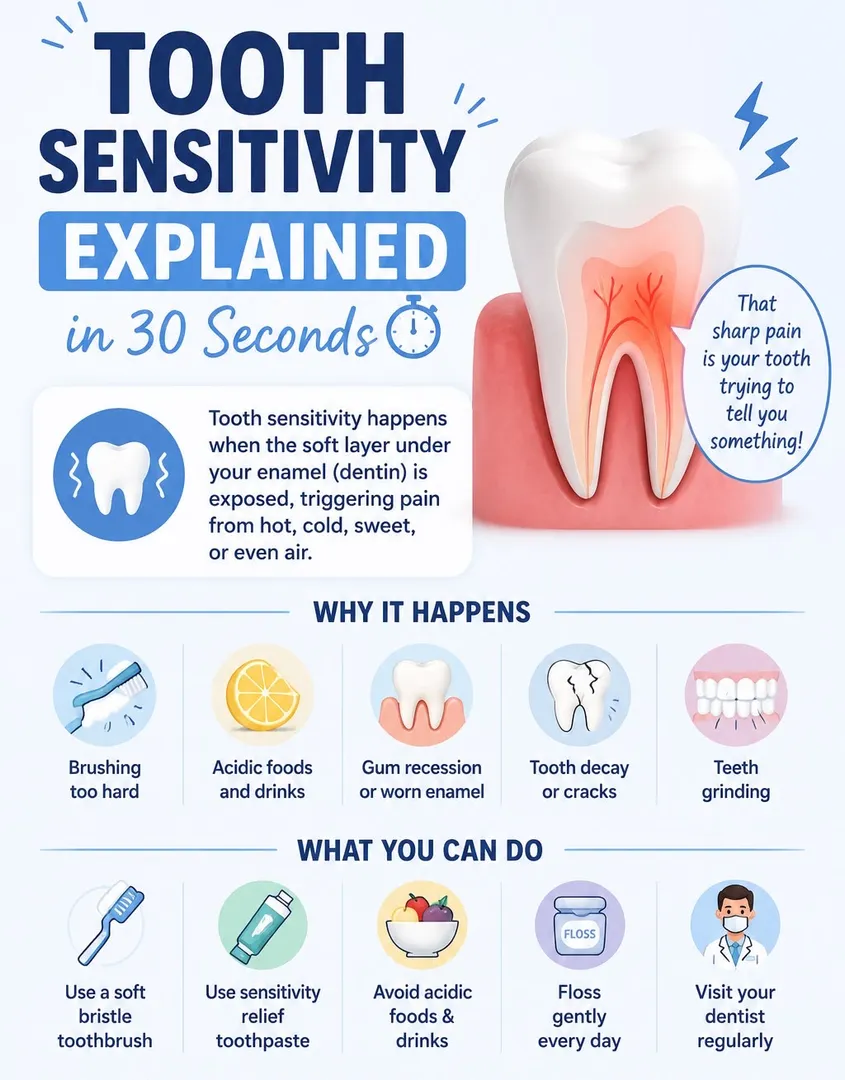
Tooth sensitivity usually happens when the protective enamel wears down or when gums recede and expose the softer inner layer of the tooth. This can make teeth react painfully to cold, heat, sweetness, acidity, or touch. The good news is that with the right care, tooth sensitivity can often be managed effectively.
Common Causes of Tooth Sensitivity
One of the most common causes is enamel erosion. Brushing too hard, using a hard-bristled toothbrush, frequent acidic foods and drinks, and teeth grinding can all wear away enamel over time. Once enamel becomes thin, the underlying dentin is more exposed and sensitive.
Another frequent cause is gum recession. As gums pull back, the tooth roots become exposed. Unlike the crown of the tooth, roots are not protected by enamel, so they can feel pain quickly when exposed to cold or pressure.
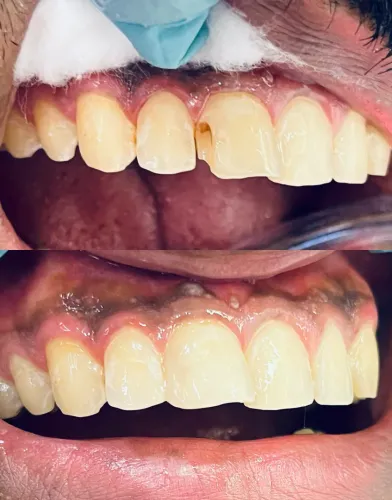
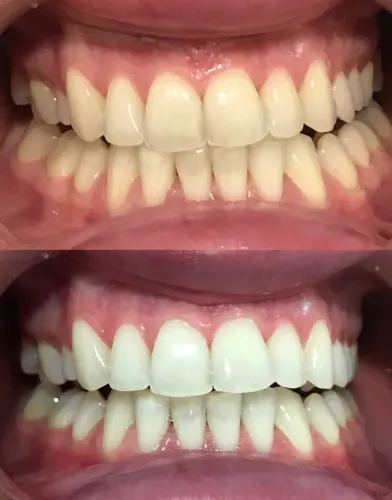
Tooth decay and cracked teeth can also trigger sensitivity. A cavity or fracture may allow temperature changes and bacteria to reach deeper parts of the tooth, causing discomfort or pain. In some cases, recent dental work or whitening treatment can temporarily make teeth feel sensitive too.
Symptoms Patients Notice
Patients with sensitive teeth often describe a short, sharp pain when drinking cold water, eating sweets, or chewing. Some also feel discomfort while brushing, flossing, or having dental cleaning done. In older adults, sensitivity may become more noticeable with age because gum recession and enamel wear are more common over time.
If the pain is constant, severe, or limited to one tooth, it may indicate a deeper problem such as decay, a cracked tooth, or gum disease. That is when a dental evaluation becomes especially important.
How to Manage Tooth Sensitivity
Start with a desensitizing toothpaste designed for sensitive teeth. Use a soft-bristled toothbrush and brush gently in circular motions instead of scrubbing hard. Avoid very acidic foods and drinks like citrus, soda, and vinegar-based items, especially before bedtime.
If you grind your teeth at night, a dentist may recommend a mouthguard to protect enamel. If gum recession or decay is the cause, professional treatment may be needed, such as fluoride application, fillings, gum care, or other restorative treatment.
For persistent sensitivity, visit us at Madan’s Dental Musltispeciality Dental Care Centre.
Tooth sensitivity usually happens when the protective enamel wears down or when gums recede and expose the softer inner layer of the tooth. This can make teeth react painfully to cold, heat, sweetness, acidity, or touch. The good news is that with the right care, tooth sensitivity can often be managed effectively.
Common Causes of Tooth Sensitivity
One of the most common causes is enamel erosion. Brushing too hard, using a hard-bristled toothbrush, frequent acidic foods and drinks, and teeth grinding can all wear away enamel over time. Once enamel becomes thin, the underlying dentin is more exposed and sensitive.
Another frequent cause is gum recession. As gums pull back, the tooth roots become exposed. Unlike the crown of the tooth, roots are not protected by enamel, so they can feel pain quickly when exposed to cold or pressure.
Tooth decay and cracked teeth can also trigger sensitivity. A cavity or fracture may allow temperature changes and bacteria to reach deeper parts of the tooth, causing discomfort or pain. In some cases, recent dental work or whitening treatment can temporarily make teeth feel sensitive too.
Symptoms Patients Notice
Patients with sensitive teeth often describe a short, sharp pain when drinking cold water, eating sweets, or chewing. Some also feel discomfort while brushing, flossing, or having dental cleaning done. In older adults, sensitivity may become more noticeable with age because gum recession and enamel wear are more common over time.
If the pain is constant, severe, or limited to one tooth, it may indicate a deeper problem such as decay, a cracked tooth, or gum disease. That is when a dental evaluation becomes especially important.
How to Manage Tooth Sensitivity
Start with a desensitizing toothpaste designed for sensitive teeth. Use a soft-bristled toothbrush and brush gently in circular motions instead of scrubbing hard. Avoid very acidic foods and drinks like citrus, soda, and vinegar-based items, especially before bedtime.
If you grind your teeth at night, a dentist may recommend a mouthguard to protect enamel. If gum recession or decay is the cause, professional treatment may be needed, such as fluoride application, fillings, gum care, or other restorative treatment.
For persistent sensitivity, visit us at Madan’s Dental Musltispeciality Dental Care Centre.
Keywords